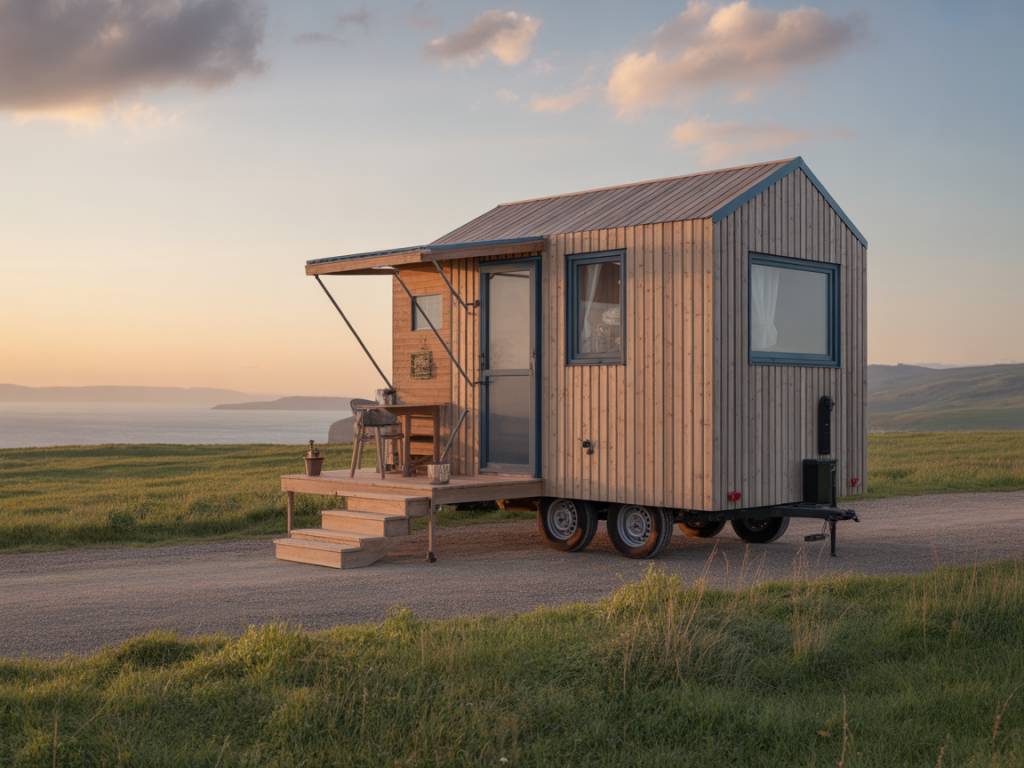
On a damp Tuesday in late September, I found myself standing in a Devon field at dawn, boots slowly surrendering to the mud, watching a farmer trace with his hand the invisible outline of the home he hoped to build. “Off-grid,” he said, eyes bright. “But the council… I don’t even know where to start.”
If you’re reading this, you might be in a similar place: a head full of timber frames and solar arrays, a heart set on a smaller footprint, and a vague sense that somewhere in the maze of UK planning rules, your dream could easily get lost.
The good news? It doesn’t have to. Navigating planning for sustainable and off-grid homes in the UK is absolutely possible — but it asks for patience, strategy, and a little choreography with your local planning authority.
Let’s walk through it step by step.
Understand what you’re really asking for
Before you even glance at a planning form, get crystal clear on what you want to build or change. Planning officers are much happier with a clear proposal than a fuzzy dream.
Start with a few honest questions:
- Is this a new build or a conversion? A barn turned into a low-energy home will face very different rules to a new house in a field.
- Is it truly off-grid, or just “low grid”? Will you disconnect entirely from mains electricity, water and sewerage, or simply reduce reliance?
- Will you live there full time? Holiday lets, annexes and primary residences are often treated differently.
- Are you in a town, village, or open countryside? Location is one of the biggest planning levers.
Write this down in a short, plain-English “project brief” for yourself. Something like:
“We want to build a two-bedroom, timber-framed home on our existing smallholding near Hereford, using solar PV, battery storage and rainwater harvesting. It will be our full-time residence and we aim to be as close to off-grid as possible while remaining connected to mains water.”
This document becomes the seed of everything that follows: your conversations with planners, your architect’s design, even your own sanity when the paperwork starts to blur.
Check where you stand: designations and constraints
The UK planning system doesn’t treat all land equally. Some places are effectively whispering “yes, carefully”, while others shout “not here” before you’ve even sharpened a pencil.
Your next job is to find out what applies to your site.
Use your local council’s online map or planning portal to check for:
- Green Belt – tightly controlled, focused on preventing urban sprawl. New houses are difficult but not impossible, especially if they’re clearly tied to land-based or agricultural use.
- Areas of Outstanding Natural Beauty (AONB) or National Parks – landscapes with higher protection; design and landscape impact will be scrutinised closely.
- Conservation areas or listed buildings – heritage and character will matter as much as sustainability.
- Flood zones – flood risk assessments might be essential, and some forms of development are discouraged.
- Local designations – wildlife sites, ancient woodland, protected trees (TPOs), or special landscape areas.
At this stage, you’re not arguing your case; you’re simply understanding the playing field. Discovering that your dream plot sits in a floodplain or within a National Park isn’t the end of the story, but it does change the shape of the narrative.
Learn the basic planning language (just enough to be dangerous)
You don’t need to become a planner, but a little vocabulary goes a long way. When you can speak the same language as your local authority, conversations become smoother and less intimidating.
Three key elements to look up on your council’s website:
- The Local Plan – this is your council’s long-term planning rulebook. Look for policies on:
- New housing in the countryside
- Sustainable design / low-carbon homes
- Renewable energy installations
- Off-grid or rural worker accommodation (sometimes under “rural exception” policies)
- Supplementary Planning Documents (SPDs) – these give more detailed guidance, often on design, climate, or specific areas.
- Neighbourhood Plans – in some parishes, communities have their own small-scale plan that carries weight. They can be surprisingly supportive of low-impact and eco projects.
As you read, keep an eye out for phrases like “high environmental performance”, “zero or low carbon design”, “land-based enterprise” or “rural workers’ dwellings”. They are often hooks you can hang your arguments on later.
Decide if you need full planning permission or can rely on permitted development
Not every sustainable upgrade needs a full, formal application. In the UK, some changes are allowed under “permitted development rights”. These are essentially pre-approved types of works that don’t need explicit permission, as long as they meet certain rules.
For eco and off-grid projects, permitted development can sometimes cover:
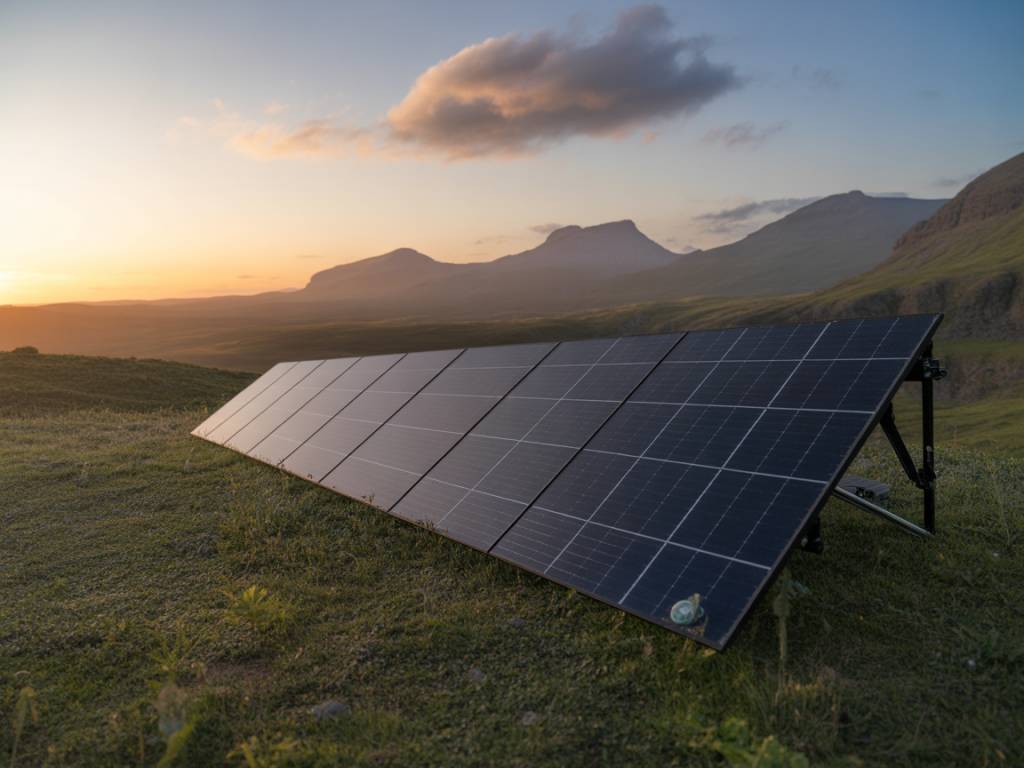
- Roof-mounted solar panels (with size and placement limits)
- Ground-source or air-source heat pumps
- Certain small extensions or outbuildings
- Some changes of use of agricultural buildings to dwellings (under specific “prior approval” routes)
However, there are important caveats:
- Permitted development is more restricted in conservation areas, National Parks, AONBs and for listed buildings.
- Going truly off-grid with composting toilets, large battery sheds or sizable ground arrays may push you beyond permitted development.
- New standalone dwellings almost always need full permission.
If you suspect you might be within permitted development but aren’t entirely sure, you can apply for a Lawful Development Certificate. It’s not mandatory, but it gives you written confirmation that what you’re doing is legal — useful if you ever sell the property or if neighbours start asking questions.
Book a pre-application conversation
One of the least romantic yet most powerful steps is to talk to your Local Planning Authority before you submit anything formal. Almost every council offers a pre-application advice service.
Why bother?
- You can spot red flags early, before you’ve spent heavily on drawings and reports.
- You’ll understand what the planners care about most on your specific site.
- You start to build a relationship rather than a battlefield.
To get the most from pre-app advice, prepare:
- A short written summary of your intentions (that project brief you wrote earlier).
- Basic sketches or a simple site layout plan.
- Photos of the site and surrounding buildings or landscape.
- A sentence or two on your sustainability aims (for example: “targeting near Passivhaus performance”, “no fossil fuel heating”, “on-site renewables for most electricity needs”).
Then, in the meeting or written response, pay attention not just to what they say “no” to, but to where they reveal their worries: visual impact, traffic, landscape, precedent. Those concerns are clues to how you can tweak your design to move their answer closer to “yes, with conditions”.
Design with policy in mind, not as an afterthought
Now comes the creative part — but it’s creativity with rules, more like jazz than pure improvisation.
Work with an architect or designer who understands low-energy building and has experience with UK planning. Ask them directly:
- What is your experience with off-grid or very low-energy homes?
- Can you show me permitted projects similar to what I’m aiming for?
As the design develops, keep aligning it with planning policy. Think of it as answering the council’s unspoken question: “Why should we say yes to this, and how does it help meet our goals?”
Some ways to do that:
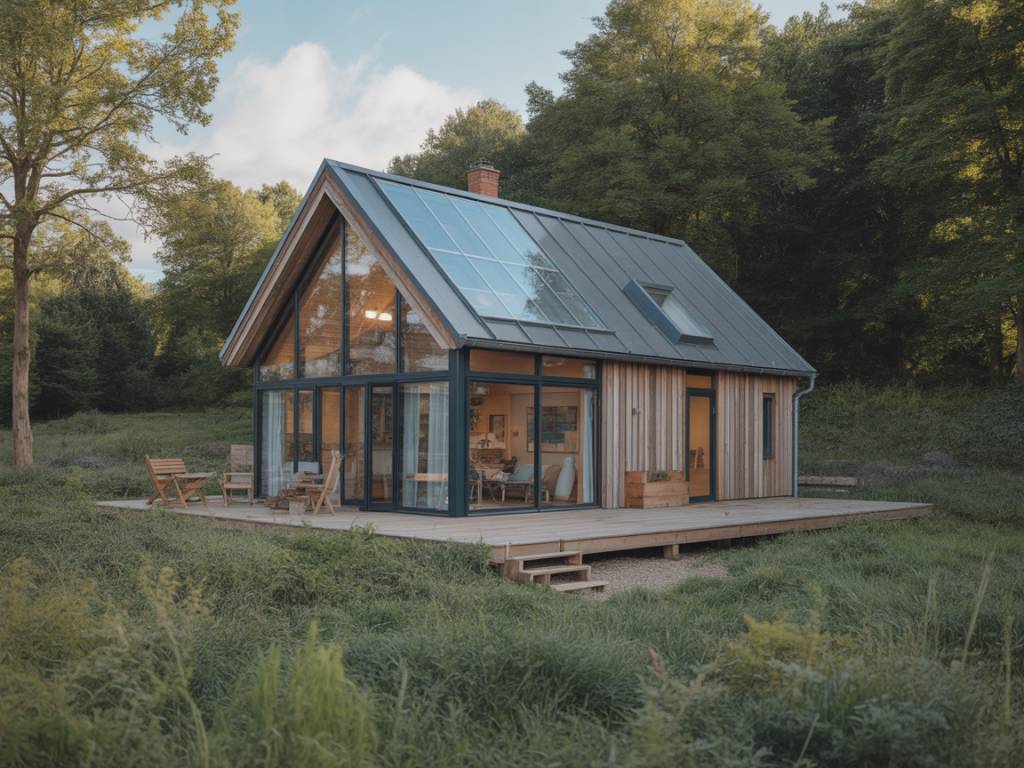
- Respect local character – A radical energy concept doesn’t have to look like a spaceship. Sometimes wrapping a super-insulated, timber-framed structure in materials that echo local barns or cottages eases acceptance.
- Minimise visual and landscape impact – Off-grid doesn’t mean “plonked in the middle of a field”. Nestle buildings into contours, use existing hedges and tree lines, and keep ridgelines modest.
- Show functional links to the land – If your home supports smallholding, forestry, or local food production, make that clear. Rural housing policies often have specific allowances for truly land-based enterprises.
- Design-in energy performance – Think orientation for solar gain, window placement, shading, airtightness, and high levels of insulation before you start sprinkling solar panels around.
In some rare cases, exceptionally innovative or outstanding sustainable design can be an argument in itself, particularly where policies reference “exceptional quality” or “innovative design”. But “exceptional” sets a high bar; it’s not just about installing a heat pump and calling it a day.
Choose and evidence your sustainable and off-grid systems
Planning officers are not engineers, but they do like evidence. If you’re proposing to live off-grid, they’ll want to know it’s plausible, safe, and not likely to fail and send you running for a diesel generator.
Work with your designer and relevant specialists to outline:
- Energy strategy
- How much electricity you expect to use annually.
- Size of your solar PV or wind system.
- Battery capacity and any backup provision.
- Heating system (for example: air-source heat pump, biomass, wood stove) and how demand is minimised.
- Water and drainage
- Rainwater harvesting vs mains water vs borehole.
- How you’ll deal with wastewater: mains sewer, package treatment plant, reed bed, or composting toilets.
- Evidence that systems meet Environment Agency and Building Regulations requirements.
- Materials
- Use of locally sourced timber, natural insulation (such as wood fibre, sheep’s wool, or hemp), recycled materials.
- How you’re reducing embodied carbon, not just operational energy.
Often, a simple, well-structured “Sustainability Statement” can accompany your planning application. It doesn’t need to be a novel — a few pages that clearly lay out your strategy can make your project feel more robust and less like a romantic whim.
Gather the technical reports you’ll need
Depending on your site, your planning application may need some or all of the following reports. It’s wise to budget for them early; they’re not glamorous, but they are often what turns a maybe into a yes.
- Ecology survey – particularly if your site has hedgerows, mature trees, watercourses, barns or old buildings that might be home to bats, birds or other protected species.
- Flood Risk Assessment and Drainage Strategy – if you’re in or near a flood zone or building anything substantial.
- Landscape and Visual Impact Assessment – often needed in sensitive rural locations, AONBs and National Parks.
- Transport or access statement – to show how vehicles will access the site, visibility splays, parking, and how you’ll minimise traffic impacts.
- Energy or sustainability statement – to demonstrate how your design exceeds baseline standards.
It can feel frustrating to spend money on these rather than another skylight, but they are part of speaking the planning system’s language. You’re not just building a house; on paper, you’re building a careful argument.
Submit a strong, coherent planning application
When you’re ready to submit, take a breath and see your proposal through a planner’s eyes. They’ll be looking for clarity and consistency as much as creativity.
Your application should typically include:
- Location plan and site plan
- Existing and proposed drawings (plans, sections, elevations)
- Design and Access Statement
- Sustainability or Energy Statement
- Ecology and other technical reports, where needed
- Supporting photographs of the site and surroundings
In your Design and Access Statement, tell the story of your project:
- Why this place?
- How does the design respond to its setting?
- How does it support local and national climate goals?
- What makes it different from a standard new build in the countryside?
Keep it grounded. “We want to reduce our carbon footprint and grow our own food” is more persuasive than “We’re building a utopian eco-village for enlightened souls” — unless, of course, you genuinely are, and have policy support to match.
Engage with neighbours and the community
Planning isn’t just a conversation with the council; it’s also a conversation with the people who already live nearby.
Before or just after you submit your application, consider:
- Talking informally to immediate neighbours, explaining your plans and showing images.
- Highlighting benefits they might appreciate: improved boundaries, better-managed land, reduced traffic compared to other possible uses.
- Being honest about potential short-term impacts, like construction noise, and how you’ll mitigate them.
Sometimes, off-grid or unconventional homes trigger suspicion. People imagine scrapyards of panels and pipes, or messy experimental dwellings. The more you can show that your project will be tidy, thoughtfully designed and well integrated, the calmer the waters become.
Positive or neutral neighbour comments can help; fierce opposition can complicate things. You can’t control everything, but you can influence first impressions.
Respond calmly to feedback and conditions
Once your application is in, there will be a period of waiting while consultees comment and the case officer weighs everything up. This can take weeks or months, depending on your council’s workload.
During this time, you may be asked to:
- Clarify drawings or statements
- Provide additional details (for example, exact panel locations, drainage specifications)
- Consider minor changes to reduce impact
Resist the urge to take any of this personally. It’s not a referendum on your values, just a process. Answer questions promptly, keep communication polite and constructive, and be willing to adjust details where it doesn’t compromise your core aims.
If your project is approved, you’ll likely receive a list of conditions — think of them as the council’s terms of agreement. They might cover:
- Landscaping and planting details
- Materials samples for external finishes
- Limits on external lighting (especially in dark-sky or rural areas)
- Implementation of your drainage and ecology measures
Read them carefully. Some conditions must be discharged (formally signed off) before you start building. Factor this into your timeline.
When things don’t go to plan: rethinking or appealing
Even well-prepared applications are sometimes refused. If that happens, it’s easy to feel defeated — but a refusal notice is also a map of sorts, highlighting where the council felt your project fell short.
Ask yourself:
- Are the reasons mainly about principle (“no new homes here”)?
- Or are they about detail (scale, design, landscape impact, technical concerns)?
If it’s about detail, a revised application, better evidenced and slightly adjusted, can sometimes succeed where the first attempt didn’t.
You also have the option to appeal to the Planning Inspectorate. This is a longer and more formal process, and it’s often wise to seek professional advice if you go down that route. Appeals can and do succeed, particularly where a strong sustainability case aligns with national climate ambitions, but they require patience.
Living the planning permission you’ve earned
One quiet winter afternoon, months after that misty Devon morning, I stood again with the same farmer. This time, the outline of his off-grid home was no longer imaginary; the timber frame cast real shadows on the ground, and the solar array lay stacked like a deck of promises.
Planning permission isn’t the end of the journey, of course. There are building regulations to satisfy, contractors to wrangle, budgets to respect. But gaining that permission is a turning point: the moment where a sustainable or off-grid home shifts from dream to sanctioned reality.
If you remember nothing else from this guide, let it be this:
- Know your site and its constraints.
- Speak the language of policy while staying true to your values.
- Treat planners and neighbours as potential collaborators, not automatic adversaries.
- Back your ideals with practical, well-evidenced detail.
Somewhere between the lines of regulations and reports, there is space for homes that tread lightly, sip energy rather than guzzle it, and sit comfortably in their landscapes. The planning system may be slow, imperfect and occasionally exasperating, but it can be nudged — patiently, persistently — toward allowing the kind of future we actually want to live in.