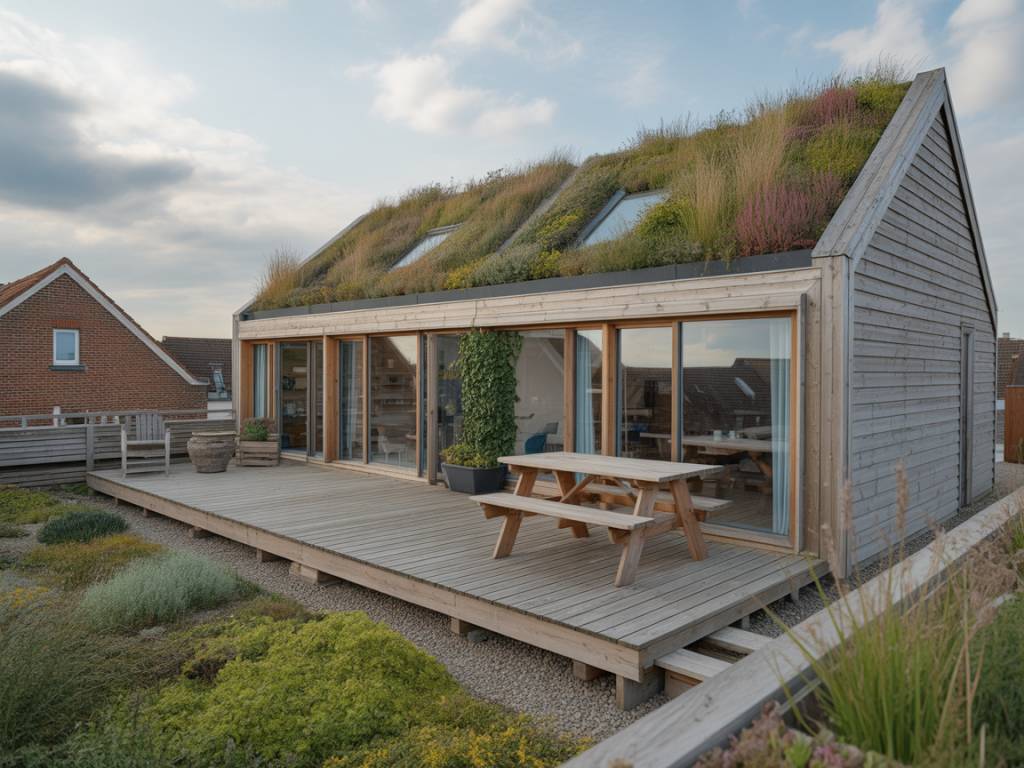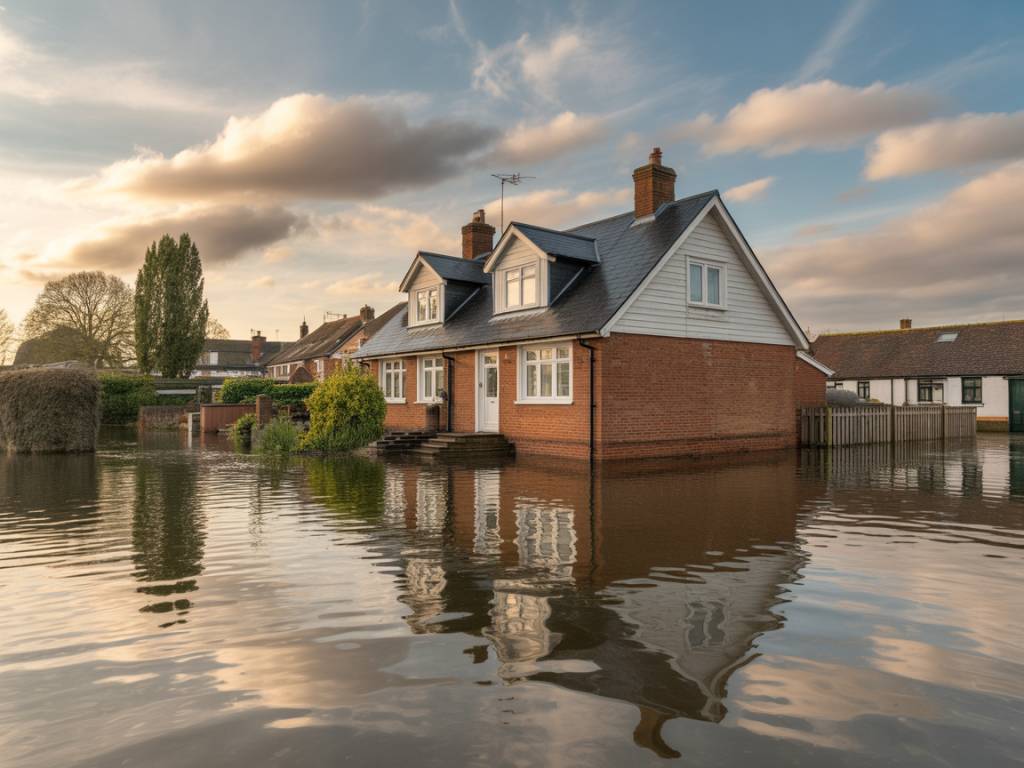
The UK’s weather no longer follows the script we grew up with. Summer 2022 brought temperatures above 40°C for the first time on record. Meanwhile, successive winters have delivered devastating floods across Yorkshire, Somerset, and the Thames Valley. For homeowners and renters across Britain, climate change has stopped being tomorrow’s problem — it is showing up in cracked render, soaked carpets, and sleepless nights in suffocating bedrooms.
Learning how to prepare your home for climate change impacts in the UK from heatwaves to flooding is now one of the most practical investments you can make — in comfort, in property value, and in peace of mind. This guide walks you through both threats, with concrete steps you can start taking this weekend and longer-term upgrades worth planning for.
How to Prepare Your Home for Climate Change Impacts in the UK from Heatwaves to Flooding: Know Your Local Risks First
Not every UK home faces the same threats. A top-floor flat in Manchester sits in a very different risk landscape to a riverside cottage in Shropshire or a coastal bungalow in Suffolk. Before spending a penny, spend an hour on research:
- Flood risk maps: The UK government provides free online flood-risk checkers for England, Scotland, Wales, and Northern Ireland. These distinguish between river flooding, coastal flooding, surface water flooding, and groundwater — each requiring different responses.
- Overheating risk: Local authority planning documents often identify « urban heat island » zones. South- and west-facing rooms, top-floor flats, and properties with large areas of glazing are most vulnerable.
- Neighbourhood knowledge: Talk to long-term neighbours. Has the street flooded before? Which end of the road drains worst? Local memory is often more granular than any official map.
Once you understand whether heat, flooding, or both are your primary threats, every decision you make becomes sharper and better targeted.
Protecting Your Home from UK Heatwaves
British homes were designed to retain heat — a sensible priority for most of the past century. That same quality now works against us. Brick walls, heavily insulated lofts, and double glazing can turn a house into a slow-release oven during a heatwave. The solution is not to import energy-hungry air conditioning from warmer climates, but to work smarter with shade, airflow, and materials.
Stop the Sun Before It Enters the Glass
Solar heat gain through windows is one of the fastest ways a room overheats. The single most effective intervention is external shading — because once sunlight is through the glass, the heat is already inside.
- External awnings and shutters: Up to 70–80% more effective than internal blinds at blocking heat, according to research from the Building Research Establishment (BRE). They also protect window frames from UV degradation.
- Deciduous planting: Trees and climbing plants (wisteria, grapevine, Virginia creeper) provide shade in summer and drop their leaves in winter to let in warming sun. A well-placed tree is a passive climate tool with a 50-year lifespan.
- Solar control window film: For south- or west-facing windows where external shading is impractical, high-quality film can reject up to 60% of solar radiation while maintaining daylight levels.
Use Night Cooling and Cross-Ventilation
Even during UK heatwaves, outdoor temperatures often fall significantly after dark. Capturing that cooler night air is one of the most effective — and free — strategies available.
- Night purging: Once outdoor temperature drops below indoor temperature (typically after 10pm), open windows on opposite sides of the building to create cross-ventilation. Close everything again before the day heats up.
- Stack effect ventilation: Hot air rises. Open high-level windows or loft hatches to allow warm air to escape and draw cooler air in at lower levels.
- Secure night venting: Window restrictors and secure night-vent fittings allow ventilation without compromising security on ground-floor windows.
Choose Materials That Buffer Rather Than Amplify Heat
The fabric of your home plays a bigger role than most people realise. Heavy materials with high thermal mass — stone, brick, concrete, tiled floors — absorb heat during the day and release it slowly overnight, keeping interiors cooler during peak hours. Lightweight modern materials heat up and cool down rapidly, offering little buffering.
- Where possible, expose rather than cover existing brick or stone internally.
- Choose natural, breathable insulation (sheep wool, wood fibre, hemp) which also regulates humidity — reducing that sealed, clammy feeling.
- In loft conversions, use reflective or light-coloured roofing membranes combined with proper ventilation gaps to prevent the top floor becoming uninhabitable in summer.
Low-Energy Cooling That Actually Works
- Ceiling and pedestal fans: Moving air feels up to 3–4°C cooler than still air at the same temperature. A fan uses roughly 1–2% of the electricity of a typical air conditioning unit.
- Avoid internal heat sources: Ovens, tumble dryers, halogen lighting, and desktop computers all generate significant heat. Batch cook in the morning, switch to LED lighting, and hang washing outside during heatwaves.
- Hydration and cool spaces: Identify the coolest room in your home (usually north-facing, ground floor) and make it your base during extreme heat. A single well-shaded room can be a significant refuge.
Protecting Your Home from UK Flooding
As summers grow hotter and drier, soils bake hard and lose their ability to absorb water. When heavy rain follows — increasingly common in British autumns and winters — water races off rooftops, pavements, and compacted ground into drainage systems built for a different era. Surface water flooding is now the most widespread flood risk in the UK, affecting over three million properties according to the Environment Agency.
Identify How Water Gets In
Floodwater is opportunistic. It will exploit every gap, crack, and low threshold it can find. A methodical survey of your home’s exterior reveals most vulnerabilities:
- Doors and frames: Check for gaps around frames and at thresholds. Flood-resistant doors (tested to BS PAS 1188) are worth the investment in high-risk properties. For lower-risk homes, demountable barriers can be stored and deployed when warnings are issued.
- Air bricks and vents: Traditional clay air bricks are direct pathways for flood water. Flood-resistant air bricks with automatic closures are a relatively inexpensive upgrade.
- Drain and toilet backflow: In severe events, overwhelmed sewers can reverse flow back into homes. Non-return valves (anti-flood valves) on toilets and floor drains are an unglamorous but critical protection.
- Basement and cellar access: These are the most vulnerable spaces. Tanking systems and sump pumps are the primary defences; ensure any pump has a battery backup for power cuts during storms.
Manage Water in Your Garden and Outside Spaces
Gardens and driveways are often where flood resilience is won or lost. Hard surfaces — concrete driveways, paved patios — shed water rapidly into already-overwhelmed drains. Permeable alternatives can make a measurable difference at street level:
- Permeable paving: Gravel, permeable block paving, and resin-bound surfaces allow water to infiltrate rather than run off. Planning permission is required for new impermeable driveways over 5m² in England — a rule designed specifically to manage surface water.
- Rain gardens and swales: Shallow planted depressions that collect and slowly absorb rainfall. Even a small rain garden at a downpipe outlet can handle a significant proportion of roof run-off.
- Water butts and underground tanks: Capturing rainwater reduces pressure on drains during storms and provides free irrigation during dry spells — a dual climate benefit.
Make Your Home Flood-Resilient, Not Just Flood-Resistant
No property can be made entirely flood-proof. The next step beyond resistance is resilience — accepting that some water may enter and minimising the damage and recovery time when it does:
- Raise electrics: Move sockets, consumer units, and appliance connections to above likely flood levels (typically 1m above floor level in high-risk zones).
- Flood-resilient materials: Concrete, ceramic tile, and lime plaster recover far better than plasterboard, chipboard flooring, or carpets. When renovating, consider materials that dry out quickly and resist mould.
- Know your insurer and your plan: Ensure your home insurance covers flood damage (check your policy — not all do). The government-backed Flood Re scheme makes flood insurance more accessible for high-risk properties. Have a flood kit ready: sandbags or FloodSax, torch, phone charger, important documents in a waterproof bag.
Bringing It All Together: A More Resilient Home
Preparing your home for the twin pressures of heatwaves and flooding is not a single project — it is a series of layered decisions, some costing very little and others representing longer-term investment. Start with the free measures: night ventilation, external shading from existing plants, checking flood risk maps, and surveying where water might enter. Then build outward, upgrade by upgrade, towards a home that handles whatever British weather now means.
The homes that will hold their value, retain their comfort, and require the least emergency expenditure over the next 30 years are the ones whose owners started thinking about this now — not after the tarmac melts or the stream rises.