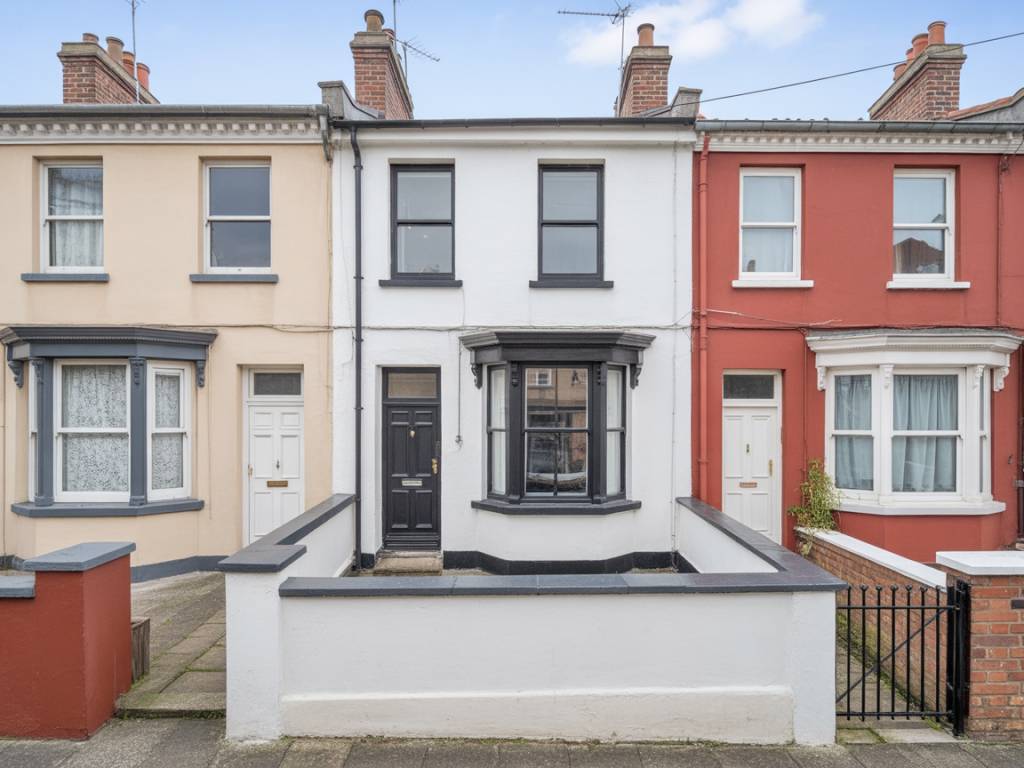
Terraced homes have a particular kind of romance to them. Rows of brick and stone, chimneys like punctuation marks, a sense that your walls have soaked up a century of conversations, winter storms and Sunday roasts. But they also have a very modern problem: keeping warm in winter, cool in summer, and comfortable year-round without sending your energy bills (and carbon footprint) into orbit.
If you’re renting, on a tight budget, or simply not ready for scaffolding and dust sheets, the idea of “energy efficiency” can feel out of reach. The good news? It isn’t. There is a surprising amount you can do in a terraced house without touching the structure – no external wall insulation, no new windows, no ripping up floors – and still feel noticeably more comfortable.
Think of this as a gentle tune-up of your home, rather than a full engine rebuild.
Understanding where terraced homes lose (and gain) energy
Every terraced house is a little different, but many share the same weak spots:
The flip side is that mid-terrace homes often benefit from their neighbours’ heat on both sides. You may already be more energy efficient than an equally sized detached home, if only you can tame those leaks.
Before you change anything, spend a few days just observing your house like a curious guest. Where do you feel a cold draft on your ankles? Which room heats up too quickly and then cools just as fast? Where does the sun fall in winter, and at what time does your living room become a greenhouse in July?
This quiet, observant phase is your most powerful (and free) energy audit.
Start with the simplest fix: chasing draughts, not heat
Heating a draughty terraced house is a bit like filling a colander with hot water. You don’t need more water. You need fewer holes.
Without any building work, you can dramatically cut the amount of warm air escaping – which usually improves comfort even more than fiddling with the boiler.
Focus first on doors and keyholes
Standing by the front door on a windy evening with a lit incense stick or a strip of tissue can reveal exactly where air is streaming in.
Then move to skirting boards and floorboards
In many old terraces, you can feel cold air seeping up between boards from the ventilated void beneath the house. Rugs and sealing don’t replace proper underfloor insulation, but they can make rooms feel several degrees warmer for a tiny fraction of the cost.
Don’t forget your letterbox and cat flap
Sometimes, the biggest difference in how “cosy” a front room feels comes from this humble rectangle of metal, not a bigger radiator.
Taming chimneys without closing them forever
If you have an unused fireplace, your chimney may be quietly exporting your heating budget into the sky. Yet many people hesitate to block them; they love the original features, or dream of one day installing a wood burner.
You don’t have to make a permanent decision to enjoy a warmer room now.
Try a removable chimney balloon or draught stopper
You’ll feel the difference the next time you sit near that fireplace on a windy night. The room will feel calmer, quieter and distinctly less chilly.
Windows: making the most of what you already have
Replacing all the windows in a terraced house is expensive and disruptive. But old or single-glazed windows don’t automatically doom you to shivering. With a few layers – much like dressing yourself for winter – they can perform surprisingly well.
Upgrade your curtains, not your frames
At night in winter, think of closing the curtains as “putting your windows to bed”. You’re trapping a layer of air between glass and fabric that acts as free insulation.
Add low-cost “secondary glazing”
The visual difference is minimal, but the sensation of sitting near the window on a cold day changes from “edge of the Arctic” to “cosy reading nook”.
Harness winter sun, block summer glare
Your terrace may not have vast expanses of glass, but even a modest bay window can become a passive solar panel when you pay attention to how light moves through the rooms.
Smarter heating without touching the boiler
You don’t need a brand-new heat pump or boiler to heat your terraced home more intelligently. Often, it’s the control system – not the heat source – that wastes energy.
Install a programmable or smart thermostat
Older terraces can feel like they “leak heat” so fast that people overcompensate by blasting the boiler. A smarter thermostat helps you warm the house just enough, just when you need it.
Use thermostatic radiator valves (TRVs) strategically
This is zoning without the renovation. Instead of heating the entire terrace as if every room is equally important, you focus warmth where life actually happens.
Add reflective radiator panels on external walls
It’s a quiet upgrade – you’ll rarely see it once installed – but it nudges the balance of radiation from “feeding the brickwork” towards “warming the people”.
Hot water: the hidden energy guzzler
Terraced homes with older hot water cylinders and long pipe runs can lose a lot of heat before you even turn on the tap.
Give your hot water cylinder a “coat”
This simple change can save surprising amounts on your bill and keep water hot for longer, meaning your boiler works less.
Insulate accessible hot water and heating pipes
It’s not glamorous DIY, but turning a lukewarm airing cupboard into a stable warm space can make laundry dry faster and towels feel less damp in winter.
Rethink how you use hot water daily
None of this changes the structure of your terrace, but your boiler will quietly thank you.
Staying cool in summer without air conditioning
Terraced homes can swing from icy in winter to stifling in summer, especially loft bedrooms under dark tiles. Yet installing air conditioning can be expensive and energy-intensive.
Master the art of night purging
You’re turning your terrace into a lung: inhale cool night air, exhale built-up daytime heat.
Shade first, fan second
Placed near a window at night, a fan can help draw cool air in and push warm air out, making upper floors bearable even in late summer.
Lighting, appliances and everyday rituals
Energy efficiency in a terraced home isn’t just about big leaks; it’s also about the background hum of daily life.
Switch to LED lighting throughout
You’ll use far less electricity and generate less unwanted heat in summer.
Be deliberate with appliances
None of this is new advice, but in a compact terraced home, the heat and moisture produced by appliances can completely change how the space feels – both positively in winter and uncomfortably in summer.
Small investments that punch above their weight
You might not be up for scaffolding, but a few modest upgrades can still be transformative.
Top up easily accessible loft insulation
This is one of the biggest comfort gains per pound spent in most terraced houses, especially for the bedrooms directly below.
Use room-by-room portable solutions
Comfort is not just about temperature; it’s also about humidity, draughts, and how your body experiences a space at rest.
Let your home evolve with you
A terraced house is rarely “finished”. It’s more like a long, slow conversation between you and the building. One winter you might notice how the wind snakes under the back door; another summer you may discover that drawing the kitchen blind at 10am keeps the whole ground floor cooler.
Instead of chasing perfection, think in terms of layers of small improvements:
Little by little, your terraced home stops feeling like a battlefield between you and the weather, and more like a trusted cocoon – warm without waste in January, and calm and breathable in July.
On a future winter evening, you may find yourself sitting by the front window, curtains drawn, a rug warming your feet, the gentle ticking of a well-balanced radiator beside you. Outside, the wind may still rattle down the street, past the rows of chimneys and brickwork. Inside, though, you’ll feel that quiet, satisfying sense that your home is working with you now, not against you – no major renovations required.