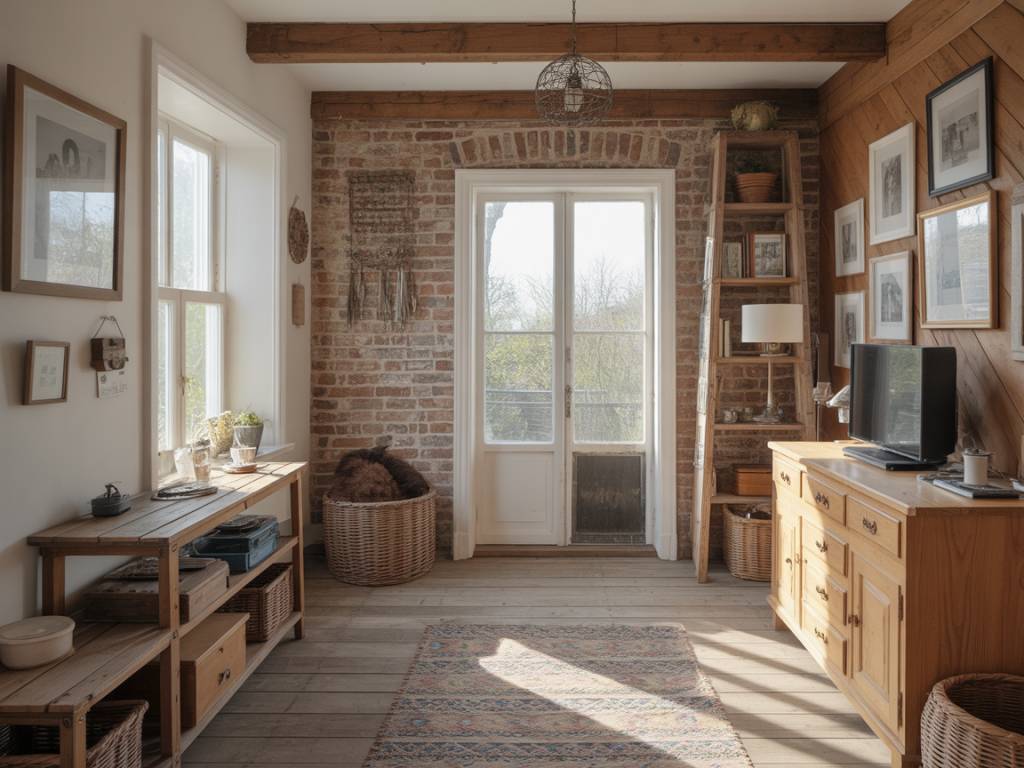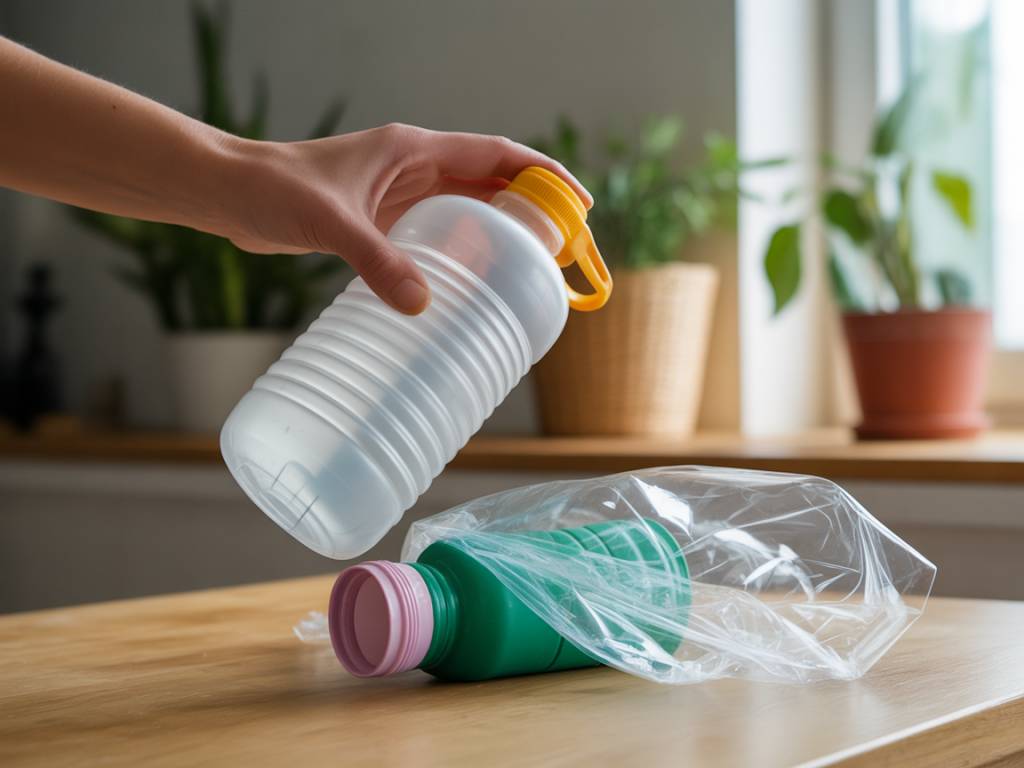
There is a particular silence in a home early in the morning, when the kettle murmurs and the light just begins to slide across the countertop. It is in ce moment-là, before the day begins to rush, that many of our habits are set in motion: the plastic-wrapped bread, the capsule coffee, the cling film over last night’s leftovers.
Reducing plastic waste at home is rarely about one heroic gesture. It is about dozens of tiny decisions, repeated quietly, until they shape a new kind of everyday life. The aim is not perfection, but rhythm: simple habits that feel so natural you hardly think about them.
Start with what you can see
Before buying a single “eco” product, pause and observe. Every home has its own plastic fingerprint. For a day or two, pay attention to what actually passes through your hands.
As you move through your routine, ask yourself:
- What do I unwrap most often?
- Which bin fills up the fastest?
- Where does plastic appear without me even noticing?
Keep a scrap of paper on the counter and simply jot things down: salad bags, yoghurt pots, shampoo bottles, snack wrappers. It takes minutes, but it changes the way you see your home. Plastic stops being “background noise” and becomes something you can work with, piece by piece.
If you enjoy visuals, you can even tip one day’s plastic into a clean box or basket. That small, slightly chaotic pile tells a very honest story. And stories are easier to edit than vague good intentions.
Make low-plastic choices the easiest ones
Habits that stick are almost always the path of least resistance. The art is not in having more willpower, but in quietly re-arranging your home so that the less-plastic option is the default.
A simple rule of thumb: bring the better option closer, and push the plastic-heavy option further away.
- Keep reusable bags by the front door or in your everyday tote, not buried in a cupboard.
- Store glass containers and beeswax wraps in the most accessible drawer, and the roll of cling film somewhere mildly inconvenient.
- Place your water filter jug at eye level in the fridge to nudge you away from bottled water.
- Put bar soap on a beautiful dish right next to the sink and move liquid soap refills out of sight.
These tiny acts of interior choreography matter. When the eco-friendly choice feels easy, attractive, and close at hand, it quietly becomes the new normal.
In the kitchen: where most plastic stories begin
The kitchen is usually the heart of household plastic waste. Food packaging, drinks, cleaning products… if you change habits here, the impact ripples through the rest of your life.
1. Rethink how you shop
You don’t need an entirely zero-waste pantry overnight. Focus on the few items you buy most often.
- Prioritise loose produce: Choose loose fruits and vegetables when possible, and bring your own cloth bags. If your market only offers plastic, it’s still better to buy local, unpackaged where you can, and store thoughtfully at home.
- Choose larger formats or glass: One big tub of yoghurt instead of eight small ones. A glass jar of olives instead of a plastic tub. Bulk bags of rice and lentils instead of multiple small plastic packets.
- Explore refills: Many towns now have refill shops where you can top up pasta, cereals, nuts, oils, and cleaning products in your own containers. It sounds niche until you’ve done it twice; then it simply becomes your new grocery routine.
- Say “no bag, thanks” as a reflex: From bakeries to pharmacies, keep this phrase ready. It is astonishing how many automatic plastic bags you avoid with five small words.
2. Change how you store food
Plastic wraps and single-use bags are often more habit than necessity. Alternatives can be not only more sustainable, but also more beautiful to live with.
- Glass containers with lids: Old jam jars, rescued pasta sauce jars, or purpose-made containers are perfect for leftovers, cut vegetables, and batch-cooked meals.
- Beeswax or vegan wraps: Ideal for wrapping half an onion, cheese, or covering a bowl. They age gracefully and add a tactile, crafted feel to the fridge.
- Plate-as-lid method: For many bowls, a simple plate on top is faster and perfectly effective.
- Silicone baking mats: Replace baking paper and foil on trays. Buy once, use for years.
As a gentle challenge, try going a week without buying or using cling film. You’ll quickly discover that most of the time, you never needed it at all.
3. Rethink drinks: water, coffee, and tea
- Filtered tap water over bottled: A good filter jug, or an under-sink filter if you prefer, pays for itself and eliminates a cascade of plastic bottles. Keep a carafe of water on the table to make it feel like a quiet ritual, not a sacrifice.
- Reusable bottles and cups: Choose one you genuinely like holding. Stainless steel bottles keep water cool; a well-designed travel mug can become as reassuring as a favourite book.
- Coffee without the capsules: Swap single-use pods for a French press, moka pot, or pour-over dripper with a metal or cloth filter. The taste often improves, and your bin lightens overnight.
- Tea without microplastics: Many conventional bags contain plastic. Loose-leaf tea, brewed in a simple infuser or teapot, is both more elegant and gentler on the planet.
4. Simplify cleaning products
Under many sinks lies a small rainbow of plastic bottles, each promising miracles for a specific surface. In reality, a handful of basics does most of the work.
- Concentrated refills: Choose brands offering tablet or concentrated liquid refills you mix with water in a durable spray bottle.
- Multi-purpose cleaners: Vinegar (on appropriate surfaces), baking soda, and a mild dish soap cover a surprising amount of ground.
- Durable tools: Replace disposable plastic sponges with compostable sponges, wooden brushes with replaceable heads, or loofahs for scrubbing.
Less visual clutter under the sink often brings a quiet sense of calm — a small but real bonus.
Bathroom rituals without the plastic tide
The bathroom may be tiny, but it is dense with plastic: creams, shampoos, razors, cotton buds. Again, the key is not to throw everything away and start from zero, but to replace items gently as they run out.
1. Start with the easy wins
- Bar soap instead of pumps: A simple, good-quality bar soap replaces bottle after bottle. Presented on a ceramic or wooden dish, it becomes a small daily pleasure.
- Bamboo toothbrushes: When your current plastic one wears out, try a bamboo version. It feels different in the hand, a tactile reminder of your new path.
- Refillable dispensers: If bars don’t appeal for everything, use glass or sturdy plastic dispensers you refill from larger containers or refill shops.
2. Hair and body care
- Shampoo and conditioner bars: They look modest but last much longer than you might expect. Keep them on a draining dish so they dry properly between uses.
- Multi-use products: A single rich oil can sometimes replace three or four different lotions and serums, each in its own plastic bottle.
- Minimalist routine: Ask yourself which products you truly love, and which are just habit. Keeping what genuinely serves you simplifies both your shelf and your waste.
3. Shaving and hygiene
- Safety razor: A well-designed metal safety razor uses tiny recyclable blades instead of whole plastic cartridges. There is a short learning curve, but many people find the ritual oddly satisfying.
- Plastic-free cotton buds and pads: If you use them, choose versions with paper sticks or washable cotton rounds.
- Period products: For those who menstruate, reusable cups, period underwear, or washable pads can dramatically reduce plastic waste and monthly expenses.
The bathroom is where intimacy meets routine. Small zero-waste gestures here can feel especially meaningful, a quiet pact with your future self and the wider world.
Laundry and cleaning: invisible plastics
Some plastics are obvious; others hide in fibres and liquids. Laundry is a classic example: each wash releases microplastics from synthetic clothing.
1. Wash more thoughtfully
- Wash less often: Many garments, especially knitwear and outer layers, don’t need laundering after every wear. Airing them can be enough.
- Cooler, gentler cycles: Lower temperatures and shorter cycles shed fewer microfibres and extend the life of clothes.
- Microfibre filters or bags: Products like wash bags or filters catch some of the fibres before they reach the waterways.
2. Detergents and softeners
- Concentrated or powdered detergents: They usually come in cardboard, use less plastic, and can be refilled in some bulk stores.
- Detergent sheets or tablets: Lightweight, plastic-free packaging and very easy to store.
- Question fabric softener: Often unnecessary and packaged in large plastic bottles. A little vinegar in the rinse (check your machine’s guidance) can sometimes achieve similar softness for towels.
In cleaning the rest of the house, the same patterns apply: refill where you can, buy concentrates that last, and choose durable tools instead of disposable ones.
On-the-go habits that start at home
Many plastic items “out there” — coffee cups, takeaway boxes, cutlery — are actually habits that begin at home before we step out the door.
1. Pack a small “everyday kit”
Near your exit — on a hook, in a basket, by the key bowl — keep a simple kit ready to grab:
- A foldable shopping bag
- A reusable water bottle
- A compact coffee cup if you often buy drinks on the move
- A small box or jar for leftovers or bakery treats
- A set of cutlery or a spork
When these objects are part of your daily landscape, they become as natural to grab as your keys or wallet.
2. Eat out, waste less
- “For here” over “to go”: When possible, choose to sit in and use real plates and cups rather than taking away in plastic or lined cardboard.
- Bring your own container: For takeaway or restaurant leftovers, your own box avoids the need for a disposable one and preserves your meal better.
- Refuse extras: Say no to plastic cutlery, straws, and sauce sachets you don’t truly need.
The most powerful changes often feel understated: a quiet shake of the head when offered a bag, a small box produced from your bag with a smile. These gestures add up.
Making new habits actually stick
You might recognise yourself: enthusiastic for a week, then slowly drifting back to old patterns as life becomes busy again. To avoid that familiar arc, it helps to think of habit change almost like interior design for your behaviour.
1. Change one area at a time
Instead of “no plastic ever again”, choose a single focus to begin with:
- This month, I will eliminate bottled water at home.
- For the next four weeks, I’ll find plastic-free alternatives in the bathroom.
- For the next five shops, I’ll try to buy fruit and vegetables without plastic.
Once that change feels normal, move to the next. Progress becomes less dramatic, but far more durable.
2. Stack habits onto existing routines
Habits are easier to adopt when they attach to something you already do. For example:
- After making coffee each morning, you rinse and refill your water bottle for the day.
- When writing your shopping list, you place your reusable bags by the door.
- When putting leftovers in the fridge, you first reach for your glass containers.
These small anchors remove the need to remember from scratch each time; they ride on the back of rhythms that already exist.
3. Accept imperfection
There will be days when you forget your bags, when the only available option is plastic-wrapped, when you fall back on old shortcuts. That doesn’t erase the days you chose differently.
If you treat every “mistake” as a failure, you’ll exhaust yourself. If you treat it as information — a moment to ask, “How could I make this easier next time?” — then even slip-ups move you forward.
Progress in a home is rarely linear; it’s more like a conversation with the space you live in, gently re-negotiated over time.
Let your home tell a different story
As you nudge your routines away from plastic, your home itself begins to change. The translucent crinkle of packaging slowly gives way to the weight of glass, the grain of wood, the softness of cloth. Shelves grow calmer. The bin fills more slowly.
These are not just aesthetic details. They are quiet statements about what you value: durability over disposability, presence over convenience at any cost.
You don’t have to move off-grid or build a house of earth and straw to live more lightly. Reducing plastic waste at home is an accessible doorway into something deeper: a way of paying attention, of choosing, of recognising that the smallest actions in the privacy of your kitchen or bathroom can echo far beyond your walls.
Begin with what is in front of you: the next item you buy, the next meal you store, the next bag you’re offered at the shop. One gesture at a time, your daily habits will shift — and with them, the story your home tells about the future you’re helping to shape.