Why rammed earth suddenly feels so contemporary
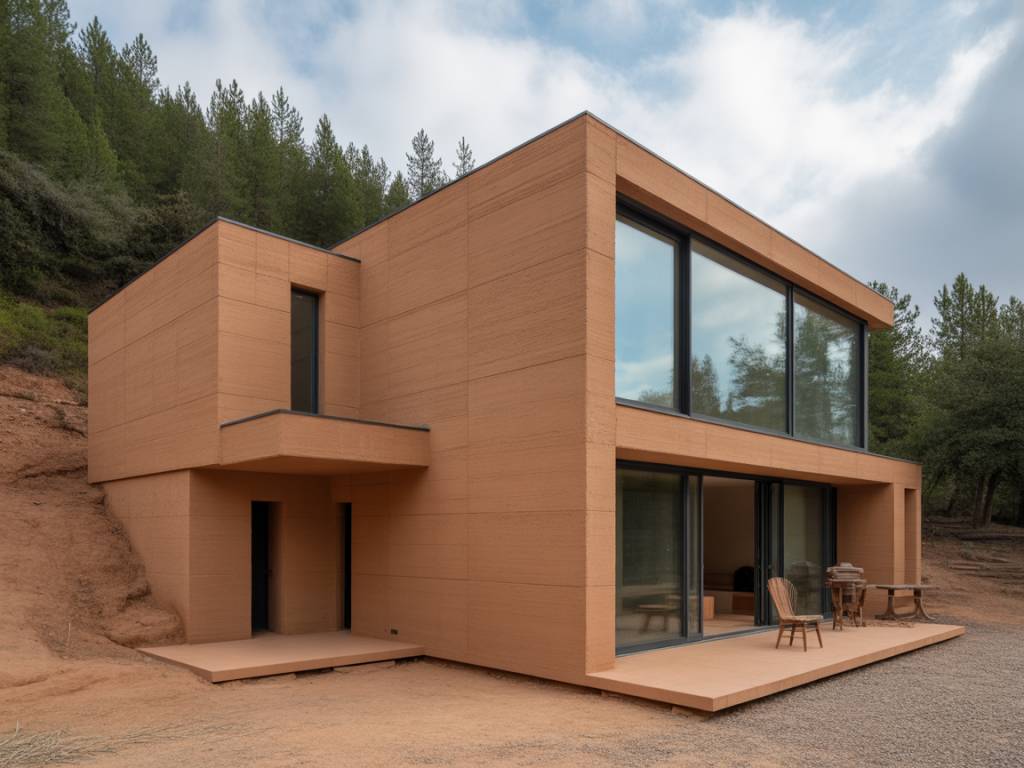
Every so often, architecture circles back to a very old idea and realises it never should have left. Rammed earth is one of those ideas. Before concrete and steel, countless homes, farm buildings and even fortifications were built by compacting local soil into dense, stone‑like walls. Today, as we search for ways to build with a lighter carbon footprint, those earthy walls are stepping back into the spotlight – not as rustic curiosities, but as centrepieces of refined, contemporary eco homes.
Spend time inside a well‑designed rammed earth house and you notice something quietly unusual. The acoustics soften. The air feels stable, almost calm. Light brushes across mineral bands in the walls like the strata of a cliff. You’re reminded, quite viscerally, that you’re sheltered by the ground itself – not by a stack of imported products.
Rammed earth is not a miracle material, and it is not suitable for every site or climate. But for many eco‑minded projects, especially those seeking a low‑carbon, low‑toxicity envelope, it is one of the most compelling options on the table right now.
How rammed earth construction works (in simple terms)
At its core, rammed earth is deceptively straightforward: you take suitably graded subsoil, place it between formwork, and compact it until it behaves almost like stone. The nuance lies in the details.
A typical modern rammed earth wall involves:
- Formwork: Reusable panels (often plywood or engineered timber) create a mould into which the earth is placed.
- Layering: Moist earth mix is added in layers, traditionally around 10–15 cm thick before compaction.
- Compaction: Mechanical rammers compress each layer to around half its depth, fusing the particles together.
- Repetition: Layer by layer, the wall grows, each compacted stratum leaving a visible banding that many designers celebrate rather than hide.
- Stripping: Once the wall has cured sufficiently, the formwork is removed, revealing a finished surface that typically needs no additional cladding.
The mix itself is a carefully balanced cocktail of:
- Sand and gravel: The “skeleton” that gives the wall its compressive strength.
- Clay: The natural binder that holds the matrix together.
- Occasional stabilisers: Small amounts of cement or lime can be introduced where building codes or harsh climates demand higher performance.
This is where the low‑carbon story starts: instead of relying on fully baked industrial materials, rammed earth turns the ground beneath our feet into structure and finish in one move.
The carbon story: where rammed earth really shines
To understand why rammed earth is gaining favour among eco‑conscious designers, you need to zoom out and look at embodied carbon – the greenhouse gas emissions associated with extracting, manufacturing, transporting and assembling building materials.
Conventional concrete and fired bricks are carbon‑intensive because they rely on high‑temperature processes and substantial cement content. Rammed earth sidesteps much of this:
- Minimal processing: The earth usually needs only screening and moisture adjustment, not firing or high‑heat treatment.
- Local sourcing: On many sites, large portions of the material can be sourced from the excavation itself, reducing transport emissions.
- Reduced cement: Stabilised rammed earth may use 5–10% cement, compared with 100% cementitious binders in conventional concrete elements.
- No extra finishes: The wall serves simultaneously as structure, thermal mass and interior/exterior finish, eliminating layers of plasterboard, insulation boards and cladding.
Life‑cycle assessments from various case studies consistently show that, when soil can be sourced close by and cement content is kept low, rammed earth’s embodied carbon can be a fraction of that of a comparable masonry or concrete wall system.
There is also something quietly radical about using a material that can, at the end of its life, simply crumble back to earth. A rammed earth wall, demolished a century from now, does not become a mountain of contaminated landfill; it returns to the landscape with minimal processing.
Thermal mass, comfort and real winter nights
One of the greatest gifts of rammed earth is not visible at a glance; you feel it over a full cycle of days and seasons. Thick earth walls have serious thermal mass – the capacity to absorb, store and slowly release heat. This can dramatically stabilise indoor temperatures when used correctly.
Imagine a winter day in a temperate climate. The low sun warms the interior surfaces, and the walls soak up this heat rather than letting the space spike uncomfortably. As temperatures drop overnight, the warmth stored in the walls seeps back into the room, shaving the peaks off the heating demand.
In summer, properly shaded earth walls can hold onto the coolness of the night and buffer daytime heat. In off‑grid or low‑energy homes, this “flywheel” effect reduces reliance on mechanical heating and cooling systems.
The trick is design. Rammed earth works best when combined with:
- Thoughtful orientation: Maximising passive solar gain in winter while controlling summer sun.
- Good insulation strategy: In cooler climates, coupling earth walls with external insulation in certain zones can balance mass with thermal resistance.
- Ventilation: Night‑time cooling, especially in hot‑dry climates, boosts the effectiveness of thermal mass.
Step into a well‑designed earth home during a heatwave, and you understand why so many historic buildings in arid regions relied on thick earth or stone: the interior feels serenely detached from the chaos outside.
A tactile aesthetic that resists fashion cycles
We talk a lot about performance and carbon, but homes are also emotional spaces. One of the reasons rammed earth has found such a devoted following in contemporary eco design is that it looks and feels profoundly human.
The colour of a rammed earth wall whispers the story of its place: ochres from iron, soft greys from silts, warm browns from organic traces. When builders layer different mixes, they create subtle bands like geological pages in a book. No two walls are quite the same.
In bright, minimalist interiors, these textures add warmth and depth without the need for decoration. In more rustic settings, the walls read as familiar and grounding, like an old stone barn. Over time, the surface softens in places, the way a well‑used stair tread does. Patina, not deterioration.
There is also a psychological comfort in clearly legible materials. In a world of hidden membranes, composite panels and complex assemblies, a solid earth wall is disarmingly honest: what you see is what you’re held by.
Practicalities: where rammed earth fits in an eco‑home strategy
For all its romance, rammed earth must ultimately earn its place in a project on practical grounds: cost, suitability, buildability. It is not a universal answer, but it can be a powerful component in the right context.
Rammed earth tends to work particularly well when:
- The site soil is promising: Sandy or gravelly subsoils with some clay content are ideal starting points for testing.
- The climate benefits from thermal mass: Regions with marked day–night or seasonal swings gain the most from heavy walls.
- Low‑carbon goals are clear: Projects prioritising embodied carbon reductions and material simplicity benefit significantly.
- Design embraces exposed structure: If you are happy for the walls to be part of the interior aesthetic, you make full use of the material.
In many contemporary eco homes, rammed earth is used strategically rather than universally. For example:
- As a central thermal “spine” wall that anchors the plan and stores heat.
- On north or south façades (depending on hemisphere) to work with passive solar gain.
- As acoustic buffers between quiet and noisy zones – a child’s bedroom beside a lively kitchen, for instance.
Other elements – lightweight timber frames, high‑performance windows, green roofs – complement the earth walls to create a coherent whole. Think of rammed earth not as a religion, but as a powerful accent in a mixed palette of green building materials.
Key benefits for sustainable, off‑grid and low‑impact living
When you look through the lens of Terra House’s core themes – sustainable living, eco‑friendly home design, off‑grid resilience and renewable energy – rammed earth reveals a cluster of specific advantages.
- Reduced operational energy demand: The stabilising effect of thermal mass can shrink the scale of heating and cooling systems, making off‑grid or low‑energy operation more realistic.
- Compatibility with passive solar design: Earth walls pair naturally with well‑oriented glazing and shading, leveraging the sun instead of fighting it.
- Non‑toxic indoor environment: Properly detailed earth walls are vapour‑permeable and free from the complex chemical cocktails of many synthetic building products.
- Durability with low maintenance: With generous eaves, good foundations and sensible detailing, rammed earth can last generations with minimal intervention.
- Resource frugality: Building from local soil reduces the need for long supply chains and complex logistics – particularly appealing for rural or remote off‑grid projects.
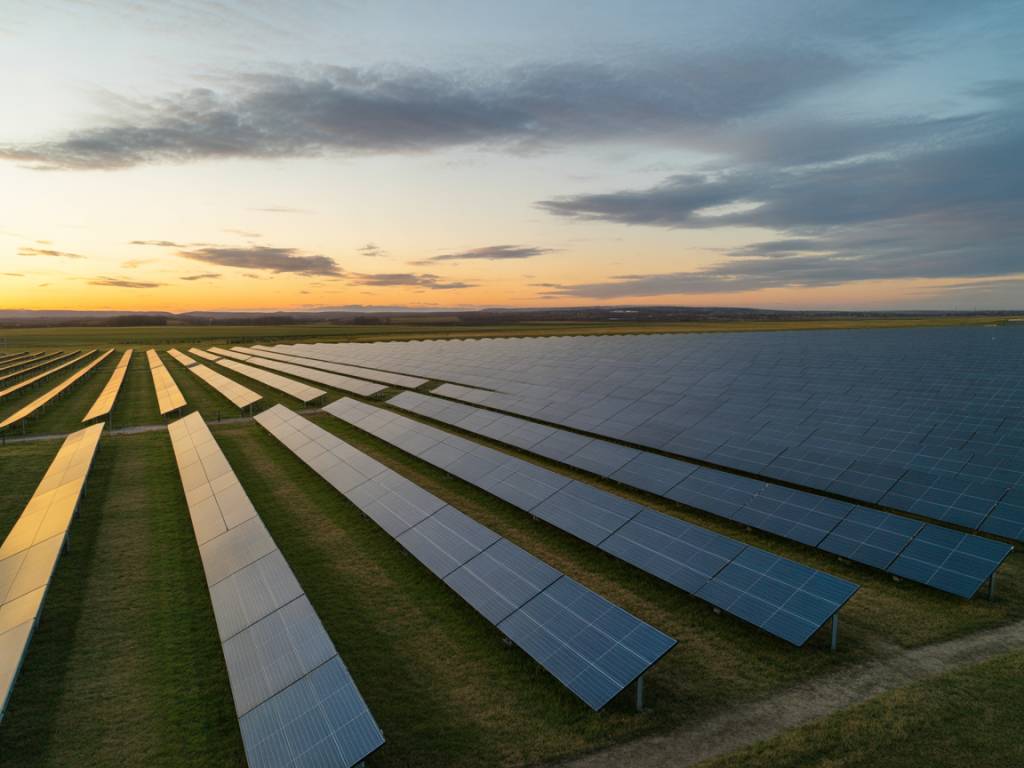
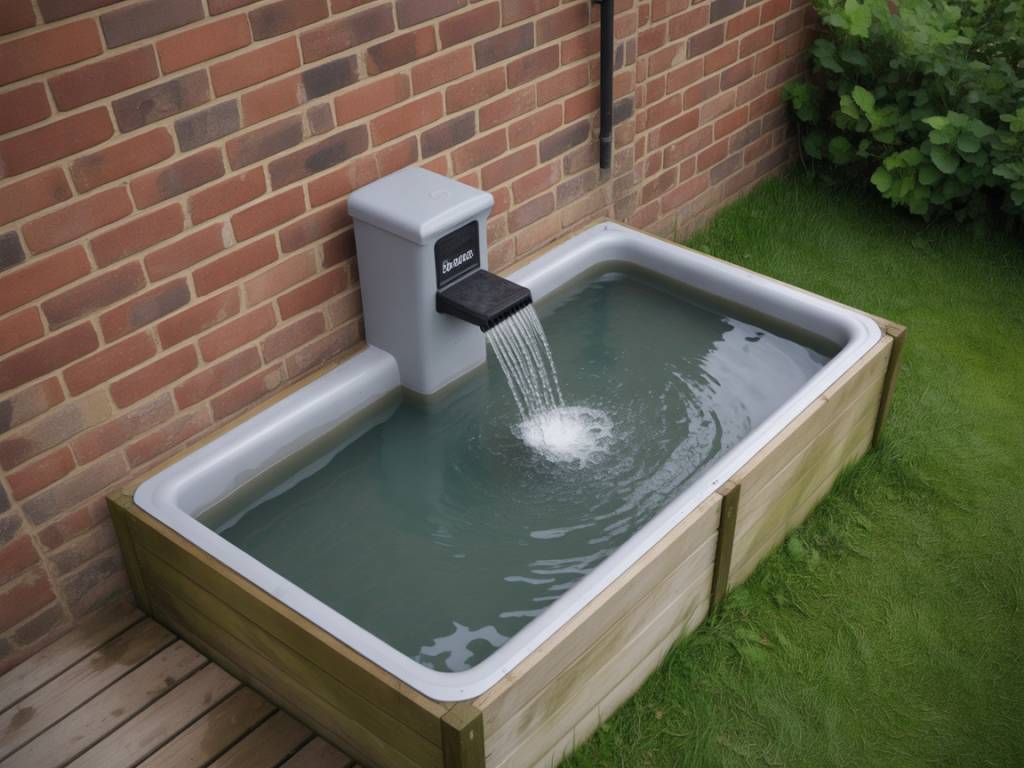
Pair these attributes with rooftop solar, rainwater harvesting and natural ventilation strategies, and you start to see how a rammed earth home can feel more like a living organism than a machine: slow, responsive, tuned to its place.
Limitations and honest challenges
Every material comes with trade‑offs, and earth is no exception. Taking an uncritical, romantic view does the technology no favours. Before committing to rammed earth, it’s important to weigh up:
- Climate constraints: In very cold, cloudy climates with limited solar gain, heavy uninsulated walls can bleed warmth. Hybrid systems with added insulation may be needed, which complicate the simplicity narrative.
- Moisture sensitivity: Earth doesn’t like persistent saturation. Good boots (foundations) and good hats (eaves and detailing) are essential, as are proper damp‑proof measures.
- Skilled labour requirements: Quality rammed earth is as much craft as engineering. Finding experienced teams, or investing time in training, is critical.
- Construction speed: While the process is straightforward, rammed earth is not as fast as some prefabricated systems. It demands a more measured build rhythm.
- Upfront cost variability: Depending on local skills and regulations, rammed earth can be cost‑competitive, or it can tip a project into higher initial outlay.
None of these are deal‑breakers, but they do mean that early‑stage design conversations should involve both architects and engineers familiar with earth construction. A wall that reads as effortlessly solid often rests on careful testing and detailing behind the scenes.
Stories from the ground: a different kind of modern home
Spend an evening in a modern rammed earth home and the experience can feel strangely timeless. In one off‑grid project in southern Europe, the owners described how their evenings unfold almost by default around the warmest part of the central earth wall, where the day’s sun lingers into the night. As the photovoltaic system hums quietly on the roof, candles cast low shadows across the mineral bands. The technology is there, of course – batteries, inverters, carefully modelled glazing – but it plays a supporting role to the fundamental comfort offered by mass and earth.
In another, in a cooler maritime climate, an architect chose to use rammed earth primarily as an interior feature wall and thermal anchor, pairing it with high‑performance timber panels on the outside. The result is a home that reads as softly contemporary: warm earth against pale wood, energy bills pared down through passive strategies, the sense of a building that will age gracefully rather than date.
These are not fantasy renderings; they are real houses that quietly prove a point: low‑carbon construction does not have to feel hair‑shirted or ascetic. It can be beautiful, sensual even, grounded in the textures and temperatures our bodies instinctively trust.
How to explore rammed earth for your own project
If rammed earth has started to tug at your imagination, the next steps are refreshingly tangible. This is, after all, a material you can scoop in your hand.
First, look at your context:
- Site and soil: Ask for a basic geotechnical assessment or even a simple preliminary soil test. Many experienced earth builders can tell a lot from a few buckets of subsoil.
- Climate: Consider your heating and cooling patterns. Would thermal mass help, or would you be better served by ultra‑lightweight, super‑insulated construction?
- Local expertise: Seek out architects, engineers or contractors with built examples of rammed earth in your region. Their lessons, including mistakes, are invaluable.
- Regulatory environment: Some planning departments and building control bodies are increasingly familiar with earth construction; others may need more education and documentation.
If things still look promising, the next step is often to build a sample panel. This modest, waist‑height wall on your site can:
- Test your soil mix and stabiliser content.
- Reveal colours and textures in full daylight.
- Give local inspectors and neighbours something concrete (or rather, earthen) to understand.
There is something quite special about watching that first small panel emerge. It often changes the tenor of a project discussion from abstract sustainability metrics to something far more immediate: “Can we imagine living with this surface, this feeling, every day?”
A quiet revolution, one wall at a time
In the wider story of sustainable building, rammed earth occupies an intriguing position. It is both ancient and experimental, humble and architectural, low‑tech in process yet quietly sophisticated in performance.
As we search for ways to house people comfortably without overheating the planet, returning to the ground beneath our feet feels less like nostalgia and more like common sense. Each new earth wall that rises on a contemporary site is a small vote for a different kind of modernity – one in which materials are legible, energy demands are tamed by design, and the line between house and landscape softens rather than hardens.
For some projects, the answer may be a single rammed earth hearth wall anchoring a timber‑framed home. For others, it might be a fully wrapped earth envelope, oriented to drink in winter sun and shrug off summer heat. In every case, the question is the same: how can we use the simplest possible materials to create spaces that comfort both body and conscience?
Rammed earth does not shout its virtues. It simply stands there – dense, quiet, cool under the hand – inviting us to imagine a future in which building lightly on the earth sometimes means building, quite literally, with the earth.