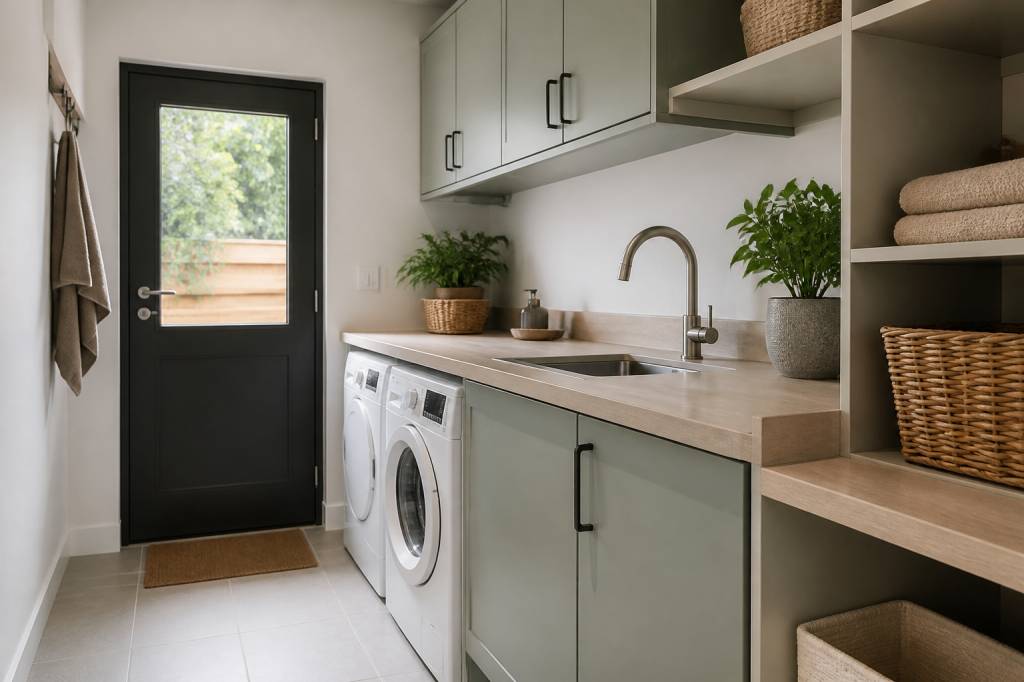
A utility room can do a great deal of work in a UK home. It is often the place where laundry is sorted, wet boots are left to dry, cleaning products are stored, and household routines quietly come together. When designed well, it can also become a low-carbon part of the home: a space that reduces energy use, saves water, lasts for years, and makes daily tasks more efficient. In the context of rising utility costs and growing interest in sustainable living, the utility room is no longer just a practical afterthought. It can be a carefully planned service area that supports both comfort and environmental performance.
Designing a low-carbon utility room begins with understanding the room’s purpose. In many British homes, the utility area is compact, and sometimes it is combined with a kitchen, boot room, or rear entrance. This makes planning especially important. Every cupboard, worktop, appliance, and storage zone should earn its place. The most effective rooms are those that reduce unnecessary movement, avoid waste, and support habits that are easier to maintain over time. A well-designed utility room should help laundry dry faster, reduce water consumption, and use materials that are durable enough to withstand damp clothes, regular cleaning, and heavy use.
Planning the room around everyday tasks
The first step is to map out how the room will be used. A low-carbon utility room should support the household’s most common tasks without creating extra steps or encouraging wasteful habits. For example, if clothes are usually sorted in a pile on the floor because there is no dedicated space, a simple sorting system can make laundry faster and more organised. If cleaning products are stored in multiple locations, bringing them together in one accessible cupboard can reduce duplication and overbuying.
It is useful to think in zones. One area can be dedicated to laundry preparation, another to washing and drying, and another to storage. Even in a small room, visual separation helps the space work more efficiently. A counter for sorting laundry, baskets for separating darks and lights, and a hanging rail for damp clothes can all reduce the number of times garments are handled. That matters because efficient routines save both time and energy.
Natural light should also be considered. In the UK, utility rooms are often placed in internal or rear extensions where daylight is limited. If a window is available, it can help with stain spotting, folding, and general visibility. Daylight also makes the room feel more inviting, which can encourage regular use of the space for tasks such as air-drying clothing rather than relying immediately on a tumble dryer.
Efficient laundry choices that lower energy use
Laundry is usually the most energy-intensive function in a utility room. A low-carbon design aims to reduce that demand by making washing and drying more efficient. Modern washing machines with good energy and water ratings are a sensible starting point, but the room design around the appliance is just as important. Positioning the machine near storage for detergents, stain removers, and laundry baskets reduces unnecessary lifting and movement. It also makes it easier to wash full loads rather than running half-empty cycles.
Where possible, select appliances with eco modes and lower temperature options. Much of the carbon impact of washing comes from heating water, so encouraging 30-degree washes can make a noticeable difference. A practical utility room can support this behaviour by including clear labels, easy-to-read shelving, and storage that keeps laundry products visible and accessible.
Drying is another area where design has a major impact. In the UK climate, fully indoor line drying is often a necessity, especially in winter. Wall-mounted drying rails, ceiling-mounted airers, and fold-away racks can all make better use of space than a fixed tumble dryer. If a tumble dryer is included, a heat pump model is generally more energy efficient than a vented or conventional condenser dryer. However, the room should still encourage air drying first, reserving machine drying for heavier or time-sensitive items.
Good ventilation is essential. Damp laundry releases moisture into the air, and without adequate airflow this can lead to condensation, mould, and poor indoor air quality. Trickle vents, an extractor fan, or a dehumidifier can help manage humidity. In energy-conscious design, it is important to choose the least intensive solution that still performs effectively. A room that dries clothes more quickly through natural airflow and thoughtful layout will usually need less mechanical assistance.
- Use a washing machine with strong energy and water efficiency ratings.
- Choose lower-temperature wash settings whenever fabrics allow.
- Prioritise air drying with rails, retractable lines, or fold-down racks.
- Install ventilation to reduce condensation and damp.
- Keep laundry products close to the machine to avoid unnecessary handling.
Water-saving storage and practical organisation
Water efficiency is often associated with bathrooms and kitchens, but the utility room offers many opportunities to reduce waste too. Storage design can influence how water is used in subtle ways. For instance, if the room includes a sink for rinsing clothes, cleaning brushes, or soaking items, the tap should ideally have a water-saving aerator. This reduces flow without making the sink less useful. A deep but compact basin can also limit splashing and make cleaning tasks more controlled.
Storage should support careful use of consumables. Bulk buying can reduce packaging in some cases, but only if products will be used before they expire or degrade. Clear, labelled containers help householders see what they have, which can prevent duplicate purchases and wasted detergent. Open shelving can be practical for frequently used items, while closed cupboards are better for cleaning chemicals, spare cloths, and items that should stay dry. In a low-carbon utility room, storage should make it easy to choose refillable products, concentrated detergents, and reusable cleaning tools.
It is also worth incorporating a dedicated space for items that support water-conscious routines, such as clothes airers, microfiber cloths, and reusable spray bottles. If the room is used for boot storage, a tray or mat beneath wet shoes can catch water and dirt, reducing the need for extra mopping. A sturdy shelf above floor level can keep delicate items away from splashes while preserving valuable space below for baskets or recycling containers.
In many homes, utility rooms also serve as entry points for muddy outdoor gear. Storage for raincoats, wellies, umbrellas, and pet items should be designed to contain moisture rather than spread it through the home. Hooks, ventilated cupboards, and easy-to-clean trays can help. This is not only a maintenance issue; it also supports energy efficiency by reducing the need for frequent heating and deep cleaning caused by damp intrusion.
Durable materials that support long-term sustainability
A low-carbon room is not just about operational energy. It also depends on the embodied carbon of the materials used and how long they last. Replacing surfaces and fittings frequently increases waste and the total environmental impact of the room. For that reason, durability should be a core design principle. Materials should be resistant to moisture, easy to clean, and capable of handling repeated use without losing their appearance or function.
For flooring, porcelain tile, polished concrete, and high-quality natural stone can perform well in utility spaces, though each has different carbon and maintenance implications. A well-selected engineered timber or luxury vinyl tile may also be suitable if it offers durability and a long service life. The best choice will depend on the household’s priorities, the building’s structure, and the level of wet traffic expected. The key is to select a finish that does not need frequent replacement and that can withstand cleaning without damage.
Worktops should be equally robust. Recycled composite materials, responsibly sourced timber with a hardwearing finish, and quality laminate with good moisture resistance are all commonly used options. In a utility room, the surface is likely to encounter wet laundry baskets, cleaning bottles, and occasional spills, so resistance to water and staining matters more than decorative detail alone. Cabinet carcasses and doors should be made from stable, responsibly sourced boards or other long-lasting materials, ideally with low-VOC finishes to support indoor air quality.
Hardware should not be overlooked. Strong hinges, quality drawer runners, and corrosion-resistant handles can significantly extend the life of the room. Cheap fittings may seem economical at first, but they are more likely to fail, creating waste and inconvenience. When a utility room is used every day, the value of durable fittings becomes clear very quickly.
- Choose moisture-resistant flooring that can handle frequent cleaning.
- Use worktops that resist staining, splashing, and wear.
- Specify low-VOC paints and finishes where possible.
- Invest in strong hinges, runners, and handles for heavy daily use.
- Prefer materials with long service life over short-term decorative trends.
Reducing hidden carbon through smarter design
Low-carbon design is often associated with visible features such as energy-efficient appliances, but several hidden decisions can be just as important. A utility room built around existing plumbing and electrical points may reduce renovation waste. Reusing carcasses, refurbishing cabinets, or keeping a good-quality sink rather than replacing it can also lower the carbon footprint. Where new materials are needed, local sourcing can reduce transport impacts, while choosing simple, repairable components can extend the room’s useful life.
Lighting is another area where careful planning pays off. LED fittings are now standard in many homes, but their placement and control matter too. Task lighting above the worktop, motion sensors near the doorway, or a wall light by the sink can reduce wasted electricity and improve usability. A room that is well lit in the right places is more likely to be used efficiently, especially for sorting laundry or checking garment care labels.
Repairability should be part of the design brief. A utility room often experiences more wear than other domestic spaces, so surfaces and fittings that can be touched up, cleaned, or replaced individually are preferable to systems that require complete renewal. For example, replaceable plinths, accessible pipework, and standard-size storage modules can make maintenance easier and reduce future waste.
Making the room comfortable and easy to live with
Even a highly efficient utility room must still be pleasant to use. If it feels cold, cluttered, or awkward, householders are less likely to use it well. Comfort contributes to sustainability because it encourages the habits that make a low-carbon room effective: air drying, sorting laundry properly, storing products carefully, and cleaning regularly. A room with sufficient warmth, good airflow, and practical work surfaces becomes part of the home’s daily rhythm rather than a space people avoid.
Small details can make a significant difference. A rail for hanging freshly ironed clothes, a bench for putting on boots, a pull-out basket for dirty linens, and a shelf for reusable shopping bags can all support better organisation. If the room is shared with a side entrance, durable wall finishes and wipe-clean paint can reduce the effort needed to keep it looking presentable. In a busy family home, these practical touches often determine whether the room genuinely saves time and resources.
For homeowners thinking about upgrades, the most effective approach is often incremental. A full refurbishment is not always necessary. Adding a drying rail, improving ventilation, replacing a worn floor with a more durable option, or upgrading to refillable storage can all reduce carbon impact without a complete rebuild. Over time, these decisions create a room that is efficient, resilient, and better aligned with the demands of modern living.
Designing a low-carbon utility room for UK homes is ultimately about combining practicality with restraint. The room should do its work quietly and efficiently, using less energy and water while lasting longer and making everyday tasks easier. When the planning is careful and the materials are chosen with durability in mind, the utility room becomes one of the most useful sustainable spaces in the home.