Coffee grounds and houseplants: a small habit with big promises
There is something quietly satisfying about giving a second life to coffee grounds. One moment they are the fragrant remains of a morning ritual; the next, they are being considered as plant food, mulch, or compost material. For gardeners who care about sustainability, this feels almost elegant: less waste, more use, and a small loop closed in the everyday rhythm of home life.
But do coffee grounds actually help houseplants, or are they one of those well-loved gardening tips that sounds better than it performs? The answer, like most things in plant care, is nuanced. Coffee grounds can be useful, but only in the right context and in the right amount. Used carelessly, they can create more problems than they solve.
If you have ever stood by a windowsill with a mug in one hand and a pot in the other, wondering whether the grounds in your compost bin could do something for your monstera, this guide is for you.
What coffee grounds contain
Spilled on the counter, coffee grounds look like waste. In the soil, they are a different story. Used coffee grounds contain small amounts of nutrients that plants need, especially nitrogen. They also include traces of phosphorus, potassium, magnesium, and copper.
That said, coffee grounds are not a complete fertiliser. They are best thought of as an accessory rather than a full meal. The nutrient levels are relatively modest, so the idea that they can replace regular feeding is optimistic at best.
Fresh coffee grounds are also slightly acidic, though used grounds are usually much closer to neutral after brewing. That detail matters because many people still repeat the old claim that coffee grounds always acidify soil. In reality, their effect is far less dramatic than folklore suggests.
The real benefits for houseplants
When used thoughtfully, coffee grounds can offer several advantages. None of them are magical, but together they can support healthier plant care habits.
Here are the main benefits:
-
They add organic matter: Coffee grounds help contribute to the soil’s structure when composted or mixed in carefully. Organic matter improves texture and supports beneficial microorganisms.
-
They provide a gentle nutrient boost: Their nitrogen content can support leafy growth, especially when incorporated into compost or diluted applications.
-
They reduce waste: Reusing grounds is an easy way to make your kitchen routine a little more circular and less disposable.
-
They may improve moisture retention: In compost or as part of a soil mix, coffee grounds can help soil hold a little more water, which may be useful in some situations.
-
They can encourage compost activity: Worms and microbes often appreciate coffee grounds when they are used in moderation in compost.
That last point is worth underlining. Coffee grounds are often most effective not as a direct houseplant treatment, but as part of composting. Compost transforms them into a more balanced, plant-friendly material. It is a slower route, but a smarter one.
The risks you should not ignore
For all their charm, coffee grounds are not universally beneficial. Houseplants live in constrained conditions: limited soil volume, limited drainage, and far less ecological buffering than a garden bed. What works outdoors can behave very differently on a living room shelf.
The main risks are surprisingly common:
-
Compaction: Coffee grounds can clump together, especially when wet. In a pot, that can reduce air flow around the roots and create a dense surface layer.
-
Mould growth: A thick layer of grounds on top of the soil can stay damp and attract mould, fungus gnats, and general disappointment.
-
Overuse of nitrogen: While nitrogen is useful, too much can encourage leafy growth at the expense of roots, flowers, or overall balance.
-
pH confusion: Some plants prefer more acidic conditions, but adding coffee grounds is not a precise way to change pH, and it can be misleading to rely on them for that purpose.
-
Salt and residue issues: Depending on how the coffee is brewed and what was added to it, grounds may carry unwanted residues. Plain, used grounds are best.
For houseplants, the biggest practical danger is simple: too much of a good thing. A thin, properly managed layer may be harmless. A heavy, soggy blanket of grounds can smother the soil like a wet wool coat on a summer day.
Which houseplants might benefit
Some houseplants are more forgiving than others. If you want to experiment with coffee grounds, it helps to think in terms of plant preferences rather than treating every pot the same way.
Plants that generally appreciate richer organic matter and slightly more acidic conditions may tolerate coffee grounds better when they are used in compost or as a diluted amendment. These can include:
-
Ferns
-
Peace lilies
-
Spider plants
-
Philodendrons
-
Some pothos varieties
-
Snake plants, though they usually need very little of anything extra
Even here, caution matters. A plant “tolerating” coffee grounds is not the same as a plant “thriving because of them.” Most houseplants do best with a balanced potting mix, proper light, correct watering, and occasional feeding with a standard fertiliser.
If your plant is already suffering from root rot, low light, overwatering, or poor drainage, coffee grounds will not perform a rescue mission. They are seasoning, not surgery.
How to use coffee grounds safely indoors
The best uses for coffee grounds indoors are controlled, modest, and ideally indirect. Think small gestures rather than dramatic interventions.
Try these approaches instead of scattering grounds directly onto every pot:
-
Compost them first: This is the safest and most effective option. Compost turns grounds into a more balanced material and reduces the risk of clumping or mould.
-
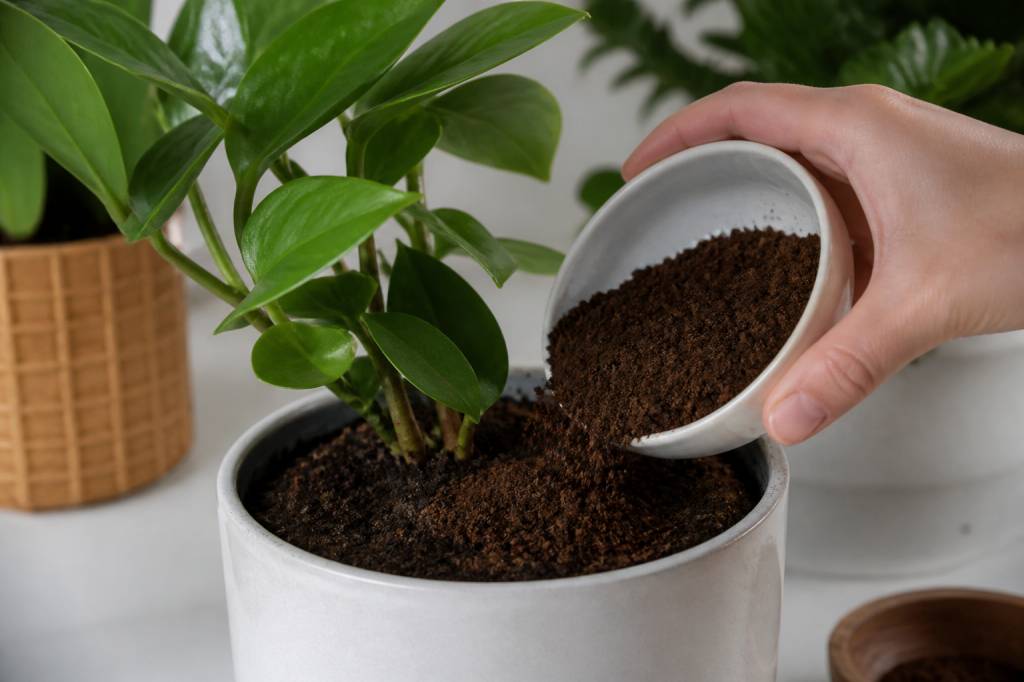
Add them in tiny amounts to potting mix only if well blended: If you are repotting and using a very small amount, mix the grounds thoroughly with soil and other organic matter. Do not leave them in a surface layer.
-
Use them as part of worm compost: Worm bins can process coffee grounds well, as long as they are mixed with other bedding and not overloaded.
-
Make a diluted liquid feed with caution: Some gardeners steep used grounds in water and use the liquid sparingly. This is not a miracle tonic, but it can be an experimental option if done lightly.
If you are determined to try grounds directly, apply only a very thin layer and break up any clumps. Better still, mix them into the top layer of a compost-rich potting medium rather than laying them on the surface. The soil should still breathe. Roots, after all, prefer air as much as water.
Plants that are less likely to enjoy them
Not every plant wants coffee on its breakfast table. Some indoor species are especially sensitive to overly moist or compacted soil, and some prefer conditions that are consistently lean rather than rich.
Be particularly careful with:
-
Cacti and succulents: These plants dislike extra moisture and dense, organic-heavy soil.
-
Orchids: Their roots need excellent aeration and a very specific growing medium.
-
Plants prone to root rot: Anything that already struggles with wet soil should not be given grounds that hold moisture on the surface.
-
Seedlings: Young plants are delicate and usually do better with a very light, stable mix.
Even some moisture-loving houseplants can react badly if the grounds are applied too heavily. The problem is not simply the coffee itself, but the physical behavior of the material once it is in the pot.
What the science says, in plain language
Gardening advice often moves faster than evidence. A tip appears in one household, gets repeated in another, and soon becomes a universal truth with no passport.
Research on coffee grounds suggests a few consistent points. Used grounds contain nutrients, but in small amounts. They can support composting and improve soil structure when incorporated properly. However, direct application to soil can sometimes inhibit seed germination or create problems if used in excess. Their decomposition also takes time, which means they do not immediately release nutrients in a way houseplants can quickly absorb.
In other words, coffee grounds are not useless, but they are also not a shortcut. Their strength lies in careful reuse, not dramatic transformation.
Practical rules for using coffee grounds at home
If you want to keep things simple, follow a few practical rules and you will avoid most of the common mistakes.
-
Use only used grounds, never fresh coffee.
-
Let them dry before storing or adding them to compost to reduce mould risk.
-
Do not pile them thickly on top of potting soil.
-
Mix them with other compost materials instead of using them alone.
-
Start small and observe the plant over a few weeks.
-
Skip them entirely if your plant already has drainage or moisture problems.
This kind of restraint may sound unglamorous, but it is usually what indoor plants reward. Houseplants do not need constant innovation. They need consistency, observation, and the occasional act of kindness that does not disrupt the little ecosystem in the pot.
A better use: coffee grounds in compost
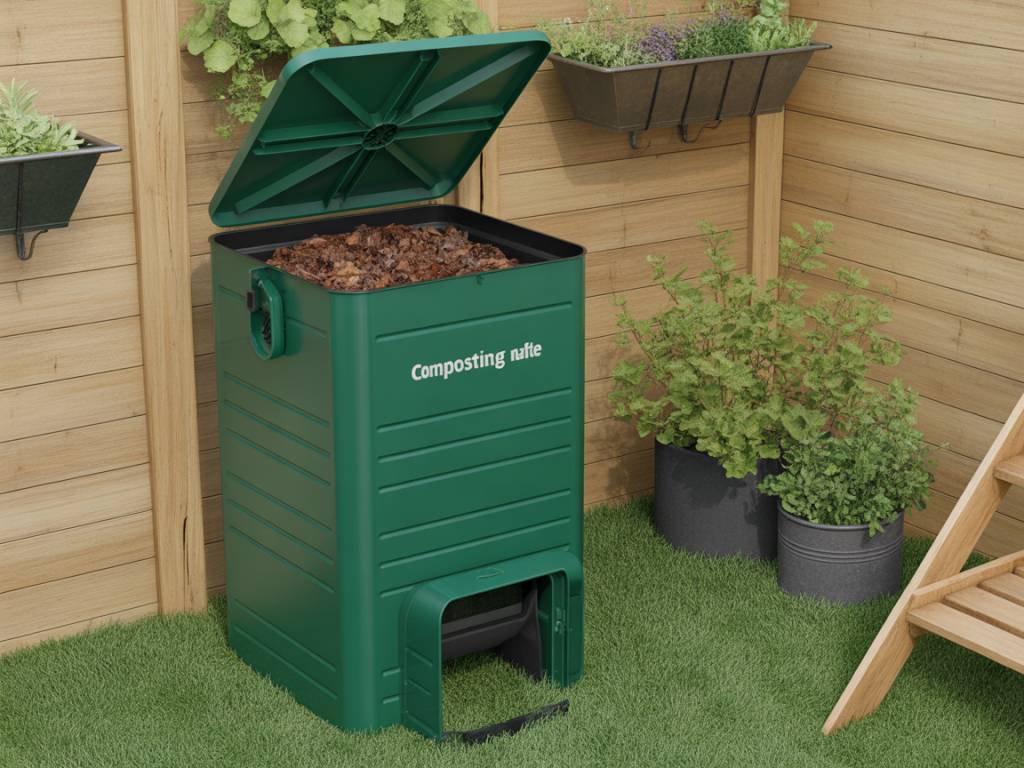
If you ask for the most reliable place for coffee grounds, the answer is compost. There they join kitchen scraps, paper, leaves, and other organic matter in a process that turns waste into something quietly valuable. It is one of those rare household habits that feels both practical and morally soothing.
For people interested in sustainable living, this is the sweet spot. Instead of trying to make each pot carry the burden of your coffee habit, you feed the larger system. The resulting compost can then be used for houseplants, balcony planters, or even mixed into a broader eco-friendly home gardening routine.
If you do not compost already, coffee grounds can be a gentle reason to start. A small caddy in the kitchen, a simple compost bin, and a little patience can turn daily leftovers into a resource with real value.
Signs your plant likes what you did
Plants are not chatty, but they do communicate. After trying coffee grounds in a limited, careful way, look for signs that suggest the plant is coping well:
-
Healthy new leaves
-
Steady growth without yellowing
-
Soil that drains normally
-
No mould or sour smell around the pot
-
No sudden increase in gnats or pests
If you notice the opposite, remove the grounds, let the soil dry appropriately, and reassess the potting mix. Sometimes the kindest thing you can do is stop experimenting and return to basics.
So, should you use coffee grounds on houseplants?
Yes, but carefully and selectively. Coffee grounds can be a useful, low-waste addition to a plant care routine when they are composted first or used in very modest amounts. They offer a slight nutrient boost and can support a more sustainable household habit.
But they are not a universal houseplant remedy. They can compact, mould, and disturb the balance of an indoor pot if overused. For most plants, the safest path is not direct application, but composting or very careful integration into a well-structured mix.
If your morning cup leaves behind a spoonful of grounds, there is no need to treat them as rubbish. Just treat them with the same respect you would give anything else in the home: a little attention, a little moderation, and a clear sense of purpose. Your houseplants, and perhaps your windowsill compost caddy, will be better for it.