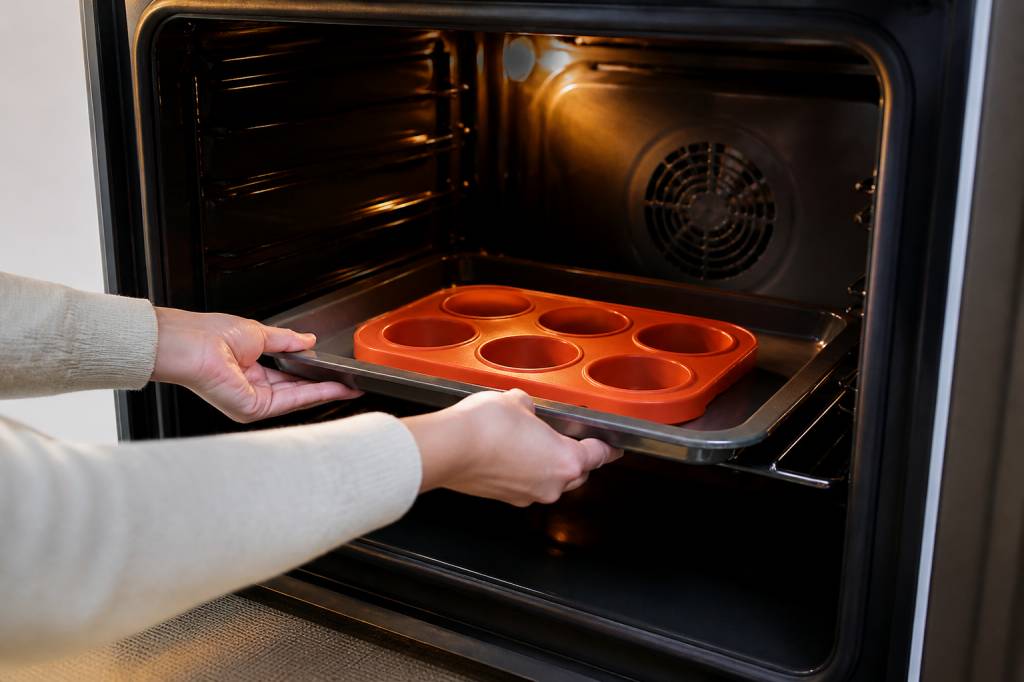
If you have ever stood in front of a warm oven, holding a silicone baking mat or a bright red cake mould and wondering whether it is truly safe, you are not alone. Silicone has become one of those quietly indispensable materials in modern kitchens: flexible, non-stick, easy to wash, and, in many cases, more durable than the disposable alternatives we used to reach for without thinking. But can you put silicone in the oven safely?
The short answer is yes, most food-grade silicone products are designed to be oven-safe. The longer answer is a little more interesting, because not all silicone is created equal, and not every item sold as “silicone” is suitable for high heat. If you want to avoid warped trays, unpleasant smells, or a baking disaster that feels suspiciously like a science experiment, it helps to know what to look for.
What silicone actually is
Silicone is a synthetic material made from silicon, oxygen, carbon, and hydrogen. It is not plastic in the usual sense, though it sometimes behaves a bit like one and is often used in place of it. Food-grade silicone is especially popular because it resists heat, stays flexible, and does not rust or break the way metal or glass sometimes can.
In the kitchen, silicone appears in cake moulds, spatulas, muffin trays, oven mitts, baking mats, and lids. Its appeal is easy to understand: it bends without cracking, releases baked goods cleanly, and is generally simpler to clean than the baked-on mess left behind on older metal tins. For households trying to reduce waste, it can also be a smart long-term choice. A well-made silicone tray can last for years, replacing many disposable paper liners and single-use baking alternatives.
Is silicone safe in the oven?
Yes, food-grade silicone is generally safe in the oven, provided it is used within the temperature range specified by the manufacturer. Most quality silicone baking items can handle temperatures from around -40°C to 230°C or even 260°C, though exact limits vary. That means they are suitable for most home baking tasks: cakes, muffins, bread, biscuits, and even some savoury dishes.
The key phrase here is “food-grade” and “manufacturer’s instructions.” Silicone that is meant for kitchen use should be clearly labelled. If an item has no clear temperature guidance, or if it smells strongly of chemicals, it is better to be cautious. A cheap bargain can sometimes become very expensive if it melts, distorts, or transfers unwanted odours into your food.
Think of it like buying a coat for a British winter. It may look the part on the rack, but if it has no proper lining, the rain will soon reveal the truth.
What temperature is too high?
Most silicone products are safe at standard baking temperatures, but they can begin to degrade if exposed to excessive heat. Once silicone gets too hot, it may lose its shape, become sticky, or emit a strange smell. While this does not always mean immediate danger, it is a sign that the material has been pushed beyond its intended limits.
As a rule of thumb:
If you are baking at 180°C or 200°C, which is common for many recipes, most good silicone tools should be perfectly comfortable. Problems usually arise when someone uses them near the top heating element or for prolonged exposure to very high heat.
How to tell if your silicone is oven-safe
Before sliding anything into the oven, take a moment to inspect it. A few seconds of attention can save you from a disappointing tray of half-baked muffins and a strangely shaped mould.
One useful test is the smell test. New silicone can sometimes have a faint odour when first unpacked, but it should not smell sharply chemical or continue to smell after washing and airing out. If it does, you may be dealing with lower-quality material.
Quality matters because some cheaper products may contain fillers that reduce heat resistance and durability. A product that looks like silicone may not behave like silicone in the oven. If you are unsure, it is better to trust the label than the marketing image of a perfectly smooth muffin.
What happens if silicone gets too hot?
When silicone is overheated, several things can happen. In mild cases, it may simply become more flexible or lose some of its shape temporarily. In more serious cases, it can warp, soften, or produce an unpleasant smell. Very low-quality silicone may even degrade visibly, leaving behind residue or sticky patches.
That said, silicone does not typically burn in the same way paper or fabric might. It is designed to be heat-resistant, which is one of the reasons it has become so useful in kitchens. Still, “heat-resistant” is not the same as “invincible.” The oven is a controlled environment, not a volcano with better lighting.
If you ever notice smoke, melting, or a strong odour while using silicone in the oven, remove it safely once it is cool enough to handle and stop using that item. Food safety always comes before convenience.
Is silicone better than metal or glass?
That depends on what you are baking and what kind of result you want. Silicone, metal, and glass each have their own strengths.
Silicone is excellent for easy release and flexible moulds. It is especially useful for delicate cakes, muffins, and recipes that tend to stick. However, it is less rigid than metal, so if you are making something that needs strong structure, you may want to place the silicone mould on a baking tray for support.
Metal heats quickly and evenly, which is ideal for browning and crisping. It is often the preferred choice for roasting vegetables or baking biscuits that need a slightly firm edge. Glass retains heat well and is great for casseroles, though it can be heavier and more fragile.
Silicone shines when convenience matters. It is lightweight, reusable, and often easier to clean. For households aiming to reduce waste, that makes it a practical choice. Replacing disposable liners or foil with durable silicone can support a more sustainable kitchen routine, especially when the item is used frequently and cared for properly.
Best practices for using silicone in the oven
If you want reliable results, a few simple habits make a big difference. Silicone is forgiving, but it still appreciates being treated properly.
It is also wise to avoid cutting directly inside silicone bakeware, since sharp knives or tools can damage the surface. Once the material is compromised, its non-stick performance may decline.
If you are using a silicone mat, make sure it lies flat on the tray. A curled edge may seem harmless, but in a hot oven it can become a nuisance. And in cooking, small nuisances have a remarkable talent for turning into bigger ones.
How to clean and care for oven-safe silicone
One of silicone’s biggest advantages is that it is easy to clean. In most cases, warm soapy water and a soft sponge are enough. Many silicone items are also dishwasher-safe, though again, it is worth checking the manufacturer’s guidance.
Over time, silicone can absorb oils and odours, especially if used for strongly flavoured foods. If that happens, a deeper clean can help. You can soak it in hot water with a little washing-up liquid, or gently scrub it with bicarbonate of soda and rinse well.
To keep silicone in good condition:
Proper care extends the lifespan of silicone products, which is one of the quiet wins of a more sustainable home. Reusing a durable kitchen item for years is far better than replacing flimsy alternatives every few months.
When you should not use silicone in the oven
There are a few situations where silicone is not the right choice. If the product is not clearly food-grade, skip it. If the item has no temperature rating, that is a warning sign. If it is damaged, sticky, brittle, or smells odd even after washing, it is safer not to use it.
You should also avoid using silicone in the oven if:
For certain recipes, especially those requiring strong caramelisation or firm structure, metal or glass may still be the better tool. The best kitchen setup is not the one with the most gadgets; it is the one where each item is used for what it does best.
A practical answer for everyday kitchens
So, can you put silicone in the oven safely? In most cases, yes, absolutely. Food-grade silicone is built for that purpose, and when used within its temperature limits, it is a reliable, practical, and often very convenient kitchen material.
What makes the difference is quality. A well-made silicone mould from a trusted source can serve you for years, helping reduce waste and making baking easier. A poorly made one can warp, smell, or disappoint at exactly the wrong moment. In that sense, silicone is a little like any good home essential: useful when chosen wisely, frustrating when chosen hastily.
If you are aiming for a kitchen that is efficient, durable, and more mindful of waste, silicone deserves a place on the shelf. Just give it a label check before it enters the oven, and it will usually reward you with neat cakes, easy cleanup, and fewer battles with stuck-on batter.
Sometimes the best tools are the ones that quietly do their job, letting the aroma of fresh baking fill the room while you enjoy the more important part: the first warm slice, shared without fuss, straight from the tray.