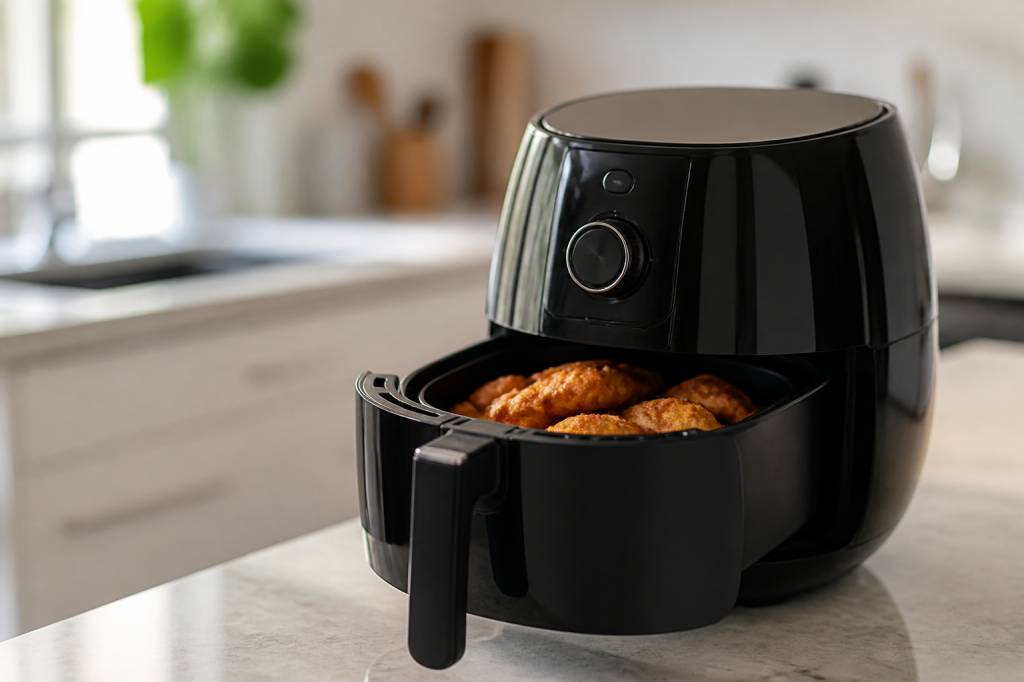
Why air fryers became a modern kitchen favorite
It is easy to understand the appeal of an air fryer. It promises crisp edges, less oil, and a quicker route to dinner on a busy weeknight. For many homeowners, it has become the appliance that quietly earns its place on the counter, right beside the kettle and the coffee machine. A tray of roasted vegetables, a handful of chips, a piece of salmon with a golden crust — all of it, in theory, with less mess and less fat.
But once an appliance becomes popular enough, a familiar question always follows: is it actually safe? Are air fryers toxic, or is the concern more about how they are used and what they are made from? The short answer is that air fryers are generally considered safe when used correctly, but there are a few material, temperature, and maintenance issues worth paying attention to if you care about healthier cooking and a healthier home.
For homeowners who already think carefully about indoor air quality, non-toxic materials, and sustainable living, this is not a trivial question. A kitchen is more than a place to cook; it is part of the living environment. What happens in one appliance can affect what ends up in the air, on your food, and even in the waste stream when that appliance reaches the end of its life.
What an air fryer actually does
An air fryer is essentially a compact convection oven. It circulates hot air rapidly around food to create a browned, crisp finish with little or no added oil. That design means it can reduce overall fat intake compared with deep-frying, and it often uses less energy than heating a full-size oven for a small meal. From an efficiency standpoint, that is already appealing to many eco-conscious households.
Still, the phrase “air fryer” can be a little misleading. There is no magic involved, and no mysterious health halo should come with it. It is still a high-heat cooking appliance, and high heat changes food. It also interacts with baskets, coatings, plastics, and cleaning products — all of which matter when discussing toxicity.
Are air fryers toxic?
In normal use, most air fryers are not inherently toxic. The appliance itself does not typically release dangerous substances simply because it is turned on. However, there are specific concerns homeowners should keep in mind:
- Some models use non-stick coatings that may degrade over time if overheated or scratched.
- Plastic parts can sometimes emit odors or volatile compounds when exposed to excessive heat.
- Cooking at very high temperatures can produce harmful compounds in food, especially when certain ingredients are used.
- Poor-quality manufacturing or damaged components may increase the risk of unwanted chemical exposure.
So the real question is not whether all air fryers are toxic, but which materials, temperatures, and habits may create avoidable risks. That is a more useful way to approach the subject, and, thankfully, a more practical one.
The coating issue: non-stick surfaces and heated materials
One of the main concerns around air fryers involves non-stick coatings. Many baskets and trays are coated with PTFE-based materials, commonly known by brand names such as Teflon. These surfaces are popular because they make cleaning easier, but they can become problematic when severely overheated or physically damaged.
At normal cooking temperatures, a well-made non-stick coating is generally stable. Problems are more likely when the basket is used above the manufacturer’s recommended temperature, when the coating is scratched with metal utensils, or when the appliance is run empty for too long. In extreme heat, some coatings may begin to break down and release fumes that are unpleasant and potentially harmful, especially to birds.
For homeowners choosing safer cooking tools, this is where material awareness matters. Look for:
- Air fryers with clearly stated temperature limits
- Models with ceramic or stainless-steel cooking surfaces, if you want to avoid traditional non-stick coatings
- Replacement baskets that are certified by the manufacturer rather than generic substitutes
- Appliances made by brands that disclose material composition openly
It is worth noting that “ceramic” does not automatically mean perfect, and “stainless steel” does not automatically mean better in every situation. But transparency about materials is a sign of a more trustworthy product, much like a house with visible craftsmanship tends to inspire more confidence than one with glossy promises and no details.
Can air fryers release harmful fumes?
When used properly, most air fryers should not fill your kitchen with toxic fumes. That said, unusual smells, smoke, or a chemical odor can happen, especially with a new appliance. Some of that odor may come from factory residues burning off during the first use, but persistent smells are a warning sign.
If your air fryer smells strongly like plastic, burnt chemicals, or something oddly sweet and artificial, do not ignore it. Check whether:
- Packaging material was removed completely
- The basket or tray is warped or damaged
- The machine is too close to walls or other surfaces
- Food residue has built up and is burning during use
- The appliance is being operated beyond its intended temperature range
Ventilation also matters. Even a safe appliance can make a small kitchen feel stuffy if hot air and cooking vapors have nowhere to go. If your kitchen layout is tight, use your extractor fan or open a window. Good airflow is one of those simple home habits that improves comfort more than people expect.
The food itself: what high-heat cooking can change
Not all toxicity concerns come from the appliance. Some relate to the food and how it is cooked. Air fryers cook by high heat, and high heat can cause certain compounds to form in food, especially starchy foods cooked to a very dark brown. One of the best-known examples is acrylamide, a chemical that can form in foods like potatoes when they are fried, roasted, or baked at high temperatures.
This does not mean you need to banish air-fried potatoes from your life. It means you should avoid overcooking them to a deep brown or charred state. A golden finish is usually better than a dark, brittle one. The same principle applies to other cooking methods, too: charred food is not a badge of honor.
To reduce harmful compounds while still enjoying crisp results:
- Pre-soak potato slices before cooking if appropriate
- Cook at the lowest temperature that still achieves the result you want
- Shake or turn food to prevent uneven browning
- Aim for golden, not burnt
- Avoid repeatedly reheating the same food at very high heat
There is a quiet elegance in food that is cooked well rather than aggressively browned. A crisp exterior can be a pleasure; a scorched one is just a compromise with a louder personality.
What homeowners should look for in a safer air fryer
If you are considering buying an air fryer, choosing the right model is one of the most effective ways to reduce risk. Not all appliances are built with the same level of care, and in a home, quality is often the difference between a useful tool and a future nuisance.
Here are practical features worth prioritizing:
- Material transparency: Look for brands that clearly state whether the basket is stainless steel, ceramic-coated, or PTFE-based.
- PFAS-free claims with evidence: Some products advertise PFAS-free components, but check whether this applies to all food-contact surfaces.
- Automatic shutoff: Helpful for safety and energy use, especially in busy households.
- Easy-to-clean design: Less residue means fewer burnt particles and less smoke.
- Good ventilation and build quality: Solid construction helps prevent overheating issues.
- Repair and replacement support: A model with available spare parts tends to be more sustainable in the long run.
If your home already leans toward eco-friendly design, think of the appliance as part of the wider ecosystem. A cheaper product that degrades quickly, sheds coating, or ends up replaced every two years is not especially sustainable, no matter how efficient it seems on paper.
How to use an air fryer more safely
Even the best appliance can be misused. Fortunately, safer use habits are simple and do not require a manual written in tiny font and delivered with a sigh.
Follow these habits:
- Do not overcrowd the basket, because blocked airflow leads to uneven cooking and more scorching.
- Preheat only when the manufacturer recommends it.
- Use silicone, wood, or approved utensils instead of metal tools that can scratch coatings.
- Clean the basket regularly to prevent residue from burning.
- Keep the fryer on a stable, heat-resistant surface with space around it.
- Never use aerosol sprays directly on non-stick surfaces if the manufacturer advises against it.
- Inspect the power cord and plug for wear, especially in older appliances.
Cleaning deserves special attention. Baked-on grease is not just an aesthetic issue; it can smoke, smell unpleasant, and affect air quality in the kitchen. A quick wash after use often prevents a larger problem later. In that sense, regular cleaning is both a health measure and a tiny act of domestic discipline.
Air fryers versus other cooking methods
Compared with deep-frying, air fryers generally use less oil and create fewer greasy fumes. Compared with pan-frying, they can reduce splatter and simplify cleanup. Compared with a full oven, they often use less energy for small portions because they heat a smaller chamber more quickly.
That makes them attractive for households trying to cook more efficiently without sacrificing texture. In a practical home, especially one focused on sustainability, this matters. The more energy-efficient the appliance, the less strain it puts on both your utility bills and your environmental footprint.
That said, every method has trade-offs. Air fryers are not ideal for all dishes, and they can still dry out delicate foods or create hot spots. They are best treated as one tool among many, not a replacement for thoughtful cooking.
How to choose safer ingredients for air-fried meals
Safer cooking is not only about the machine. The ingredients matter too. Whole foods, minimally processed items, and simple seasonings tend to be easier to cook cleanly than heavily coated or highly processed products.
Good choices include:
- Fresh vegetables such as broccoli, carrots, zucchini, and Brussels sprouts
- Fish and lean proteins that cook quickly
- Homemade potato wedges with a light oil coating
- Marinated tofu or tempeh
- Whole grains that can be reheated without much added fat
Less ideal choices are foods with excessive breading, sugary sauces that burn easily, or heavily processed frozen snacks that may contain additives designed for fast industrial cooking rather than home use. The air fryer can make these foods convenient, but convenience is not the same as quality.
When to replace an air fryer
Like any appliance, an air fryer does not last forever. If the basket coating is peeling, the unit overheats, the controls behave erratically, or strange odors persist even after cleaning, replacement may be the safer choice. A worn appliance is not just less efficient; it can become more unpredictable.
From a sustainable living perspective, this is where balance comes in. It is better to buy a durable product once than to cycle through cheap replacements that fail quickly. But once an appliance shows clear signs of deterioration, holding on to it out of habit is not especially wise. Safety and sustainability often meet in the same place: using fewer, better things for longer, and replacing them responsibly when necessary.
A practical homeowner’s takeaway
So, are air fryers toxic? Not inherently. For most households, the appliance is a safe and useful way to cook when it is well-made, properly maintained, and used at reasonable temperatures. The bigger risks come from damaged non-stick coatings, poor ventilation, overheating, residue buildup, and overly aggressive cooking that creates unwanted compounds in food.
If you want the safest path, look for a model with transparent materials, avoid overheating, clean it regularly, and cook to a golden finish rather than a charred one. That approach keeps the benefits while trimming the risks, which is usually the smartest way to live with any modern kitchen tool.
In the end, a good home is not one that avoids every technology. It is one that chooses carefully, uses wisely, and pays attention to the small details that shape daily life. And in the kitchen, those details can be as simple as a clean basket, a little airflow, and the judgment to pull the fries out before they turn into a science experiment.